 Smart City Africa
 Waste & Circular Economy
From collection gaps and uncontrolled disposal to circular flows that protect public health.
The challenge
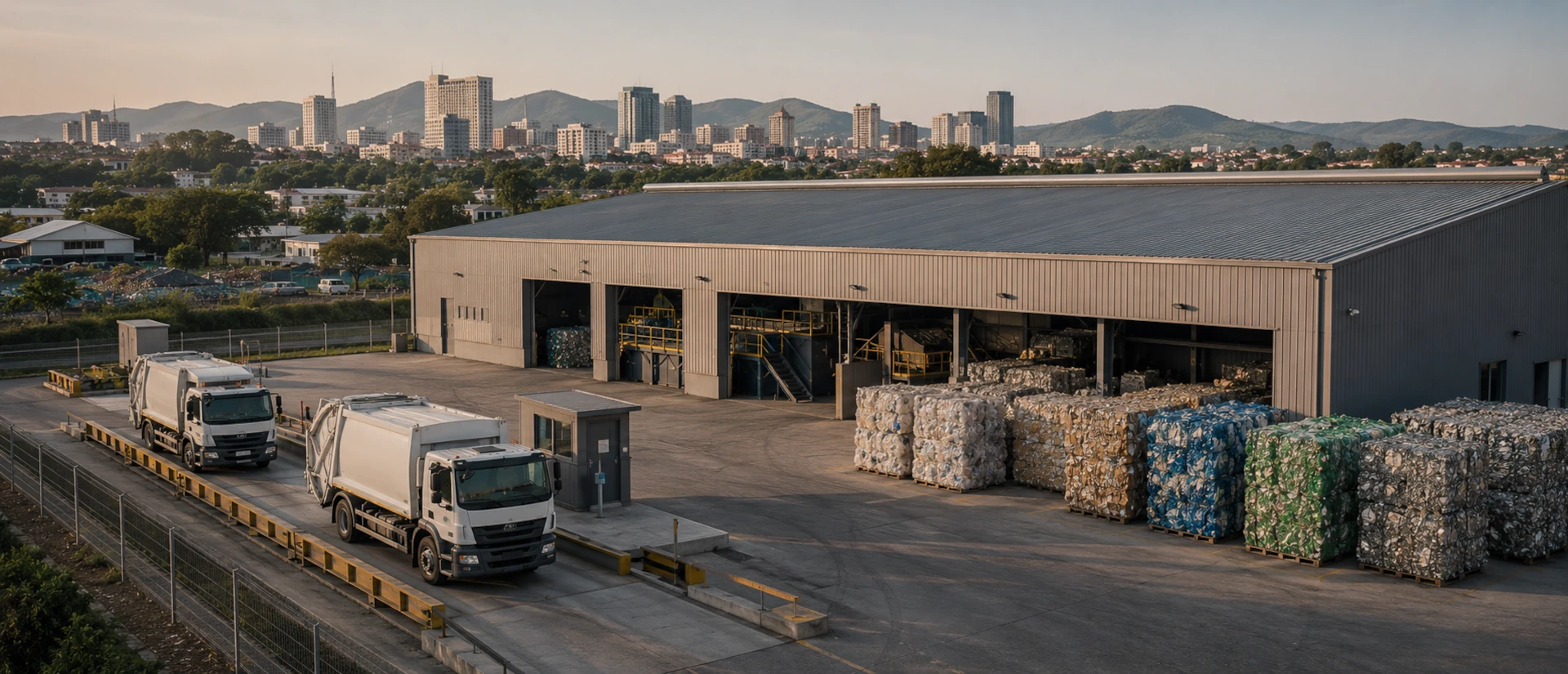
In many African cities, collection is partial, treatment infrastructure is thin, and a large share of waste ends up in open dumpsites or in drainage channels. Plastics and organics are mixed at source, recyclables that could feed local value chains are lost, and the public-health burden — vector-borne disease, blocked drains during heavy rain, fires at dumpsites — falls on people who already have the fewest alternatives. The informal sector that does much of the actual recovery work is rarely recognised in plans or contracts.
Why this matters in African cities now
Population growth and rising consumption are increasing waste volumes faster than service systems can absorb them, and climate stress amplifies the consequences. Untreated organics drive methane emissions; uncontrolled disposal sites release leachate into groundwater; blocked drainage turns ordinary rainfall into urban flooding. Cities that wait for a single big incinerator or landfill project tend to fall further behind. The faster path is a system view that links collection, separation, treatment and circular value capture, and that explicitly includes water, sanitation and hygiene risks where waste systems fail.
How we think about this topic
We treat waste as a service problem, a public-health problem, a data problem and an economic-development problem at the same time. The starting point is usually a generation and flow map: how much waste is produced, by whom, what happens to it today, and where the gaps and informal channels are. From there, the design question is which parts of the system to upgrade first, where source separation and organics handling pay back fastest, and how to integrate the informal sector rather than displace it. SDG 11.6.1 monitoring of municipal solid waste serves as a useful baseline.
What we typically deliver
We help city teams build the evidence base on flows and infrastructure, design source-separation and organics programmes, structure procurement and contracts for collection and processing, integrate informal-sector workers and cooperatives into recognised roles, and connect waste plans with construction and demolition flows from the buildings workstream. We also help cities translate circular ambitions into specifications buyers and contractors can act on.
Governance and delivery considerations
Waste is governance-heavy. Service authorities, municipalities, utilities, cooperatives and private contractors all play different roles, and the system fails when those roles are not codified. We work on contract design, performance monitoring, tariff and cross-subsidy structures, extended producer responsibility regimes where they fit, and the interface between waste and water systems. Worker safety, formal recognition and decent labour standards belong in the contract, not in the slide deck.
How we measure outcomes
We measure progress against coverage, capture and circular value: share of generated waste collected and tracked, share processed in controlled facilities versus uncontrolled disposal, recovery rates for recyclables and organics, and the size and quality of jobs created across the chain. Flood-, fire- and health-related incidents linked to waste systems are tracked alongside, because they are the failure modes residents actually feel.
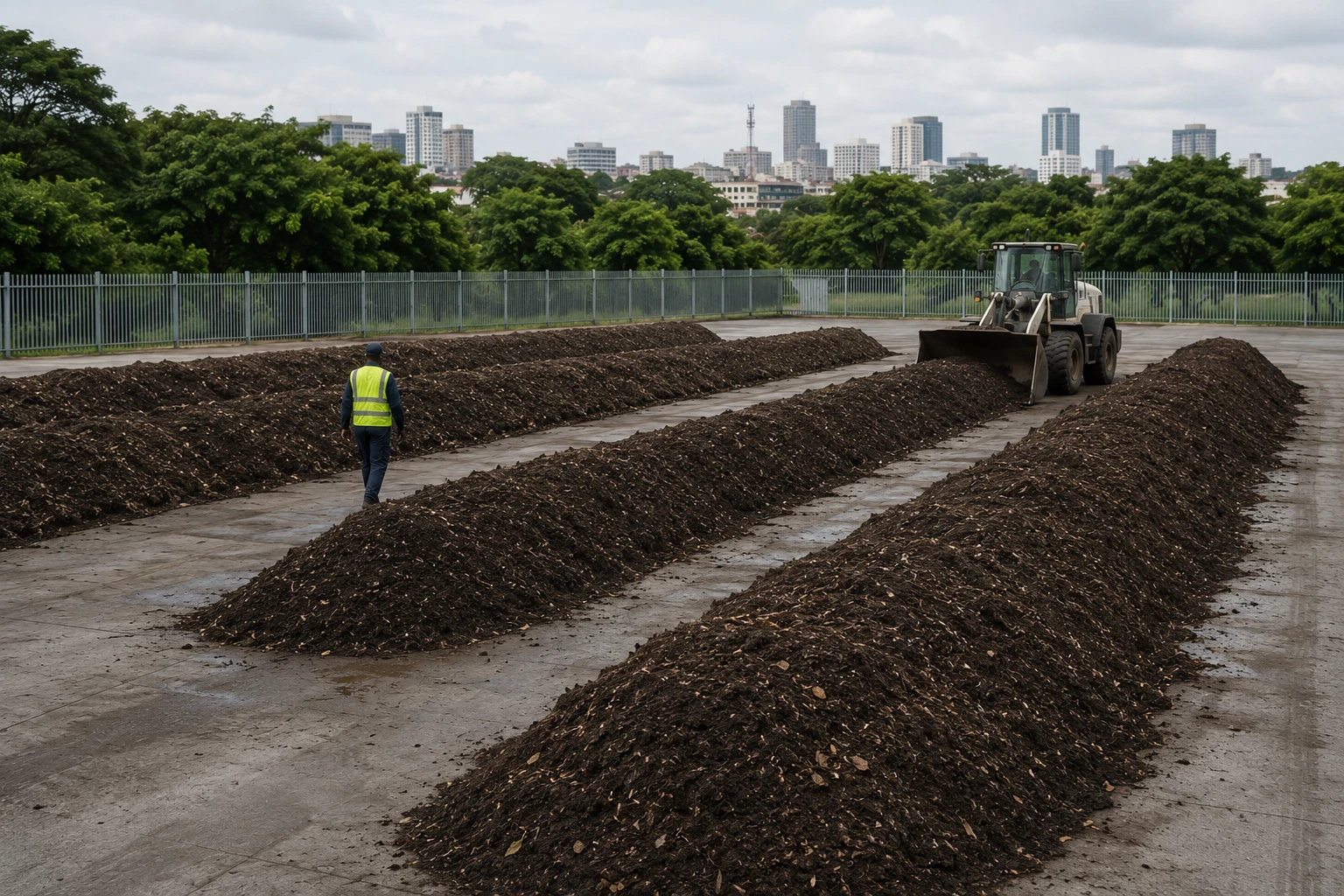
Waste & Circular Economy through four lenses.
-
Resilience & Climate
Open dumpsites, blocked drains and untreated organics drive flooding, methane emissions and disease outbreaks. Circular flows reduce pressure on land, water and air at the same time.
-
Inclusion & Access
Collection gaps land hardest in informal settlements. Inclusive systems integrate informal waste workers as recognised actors with safe conditions, fair prices and a path to formal contracts.
-
Governance & Rights
Source separation, organics handling and producer responsibility need clear rules, contracts and data. SDG 11.6.1 monitoring of municipal solid waste is a baseline, not a bonus.
-
Economic Impact
Circular flows turn cost centres into local value chains: jobs in collection and processing, lower disposal costs, fewer health and flood damages, and cleaner inputs for construction and agriculture.
Talk to us about waste & circular economy.
Which themes fit best is highly city-specific. Tell us a little about the city, the partners involved, and what kind of decision you're trying to make. We'll come back with the right entry point.