Smart City Africa
Use Cases

Nine recurring decisions in African urban systems.

These archetypes summarise the kinds of decisions city teams and their partners face most often. Each links back to the integrated solution it lives within.

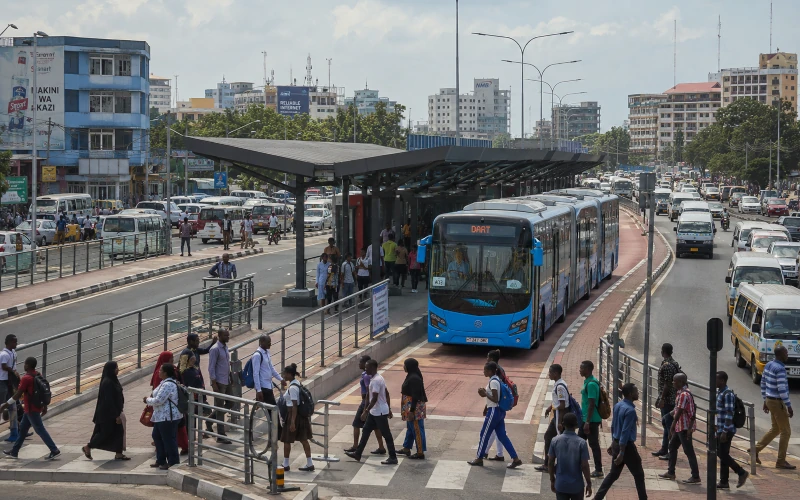
  • Editorial photograph for the Faster and fairer urban mobility archetype. Mobility archetype

    Faster and fairer urban mobility

    Reduce travel times and emissions while improving access for people who don't own cars.
    • Bus rapid transit corridors
    • Active mobility networks
    • Integrated fares and information
    Related topics: Mobility
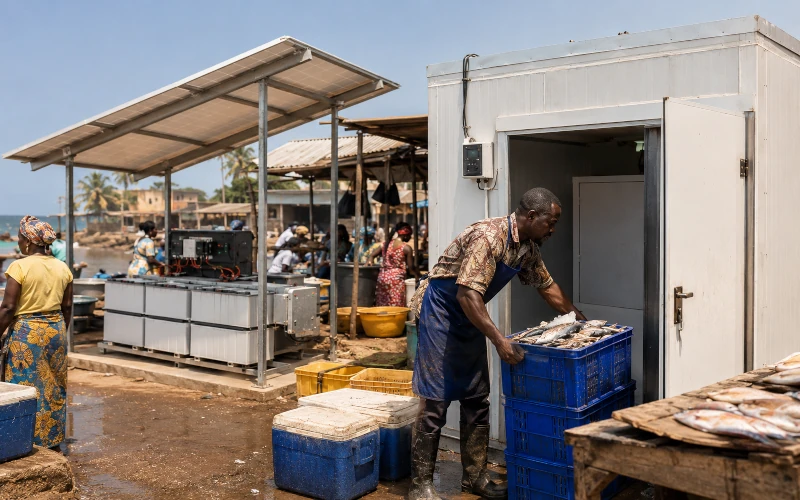
  • Editorial photograph for the More reliable energy for neighbourhoods and services archetype. Energy archetype

    More reliable energy for neighbourhoods and services

    Combine grid reinforcement, mini-grids, and clean cooking into a coherent resilience plan.

    • Mini-grid programmes
    • Hybrid power for clinics and schools
    • Clean-cooking transitions
    Related topics: Energy
  • Editorial photograph for the Connectivity that powers public services archetype. Telecommunications & Internet archetype

    Connectivity that powers public services

    Move from coverage to affordability, institutional connectivity, and digital service delivery.
    • Open networks and shared infrastructure
    • Anchor-institution links for schools and clinics
    • Civic-tech and e-services on a connected backbone
    Related topics: Telecommunications & Internet
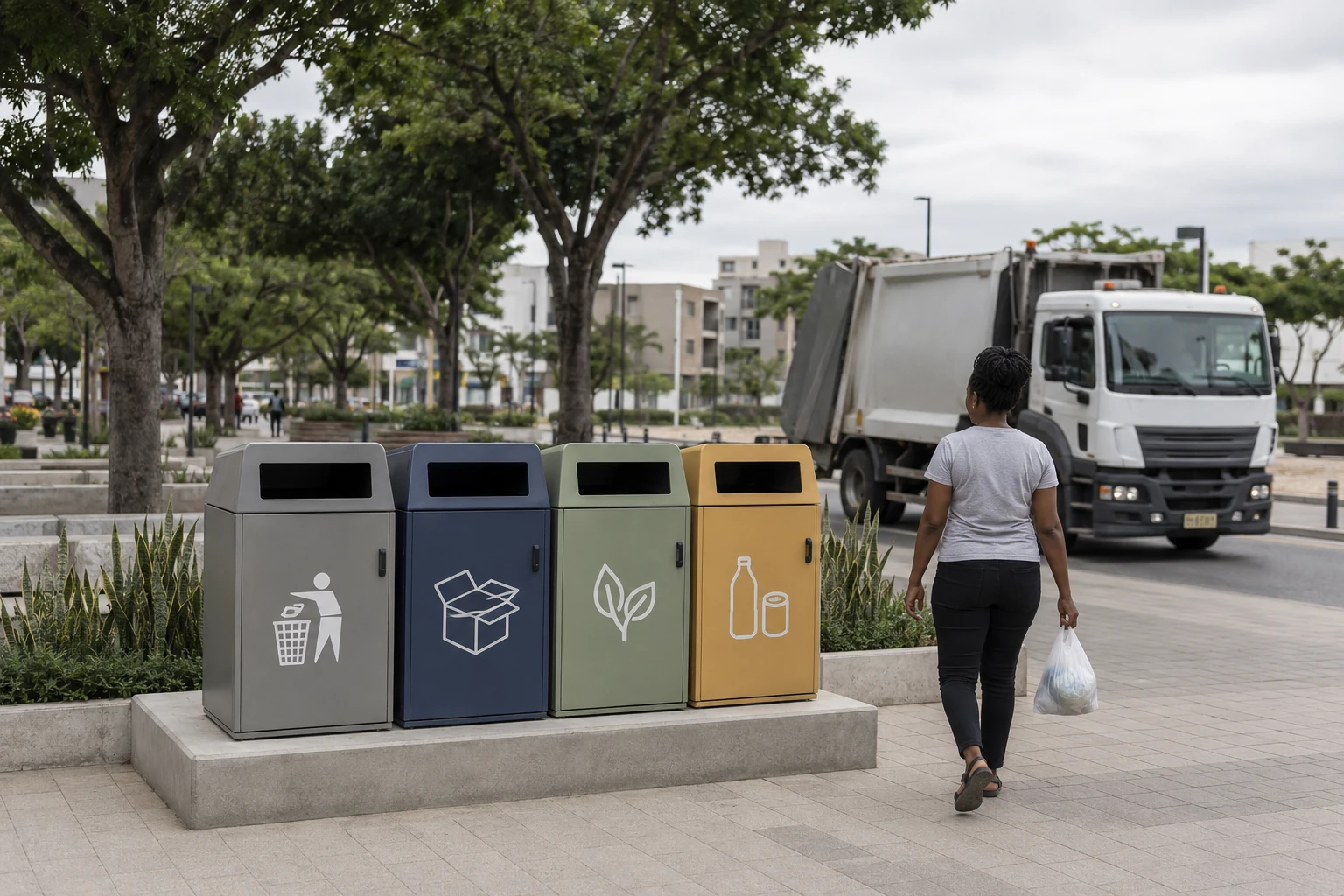
  • Editorial photograph for the Cleaner cities through better waste and circular systems archetype. Waste & Circular Economy archetype

    Cleaner cities through better waste and circular systems

    Move from collection gaps and uncontrolled disposal to circular flows.
    • Source separation and organics
    • Informal-sector integration
    • SDG 11.6.1 monitoring
    Related topics: Waste & Circular Economy
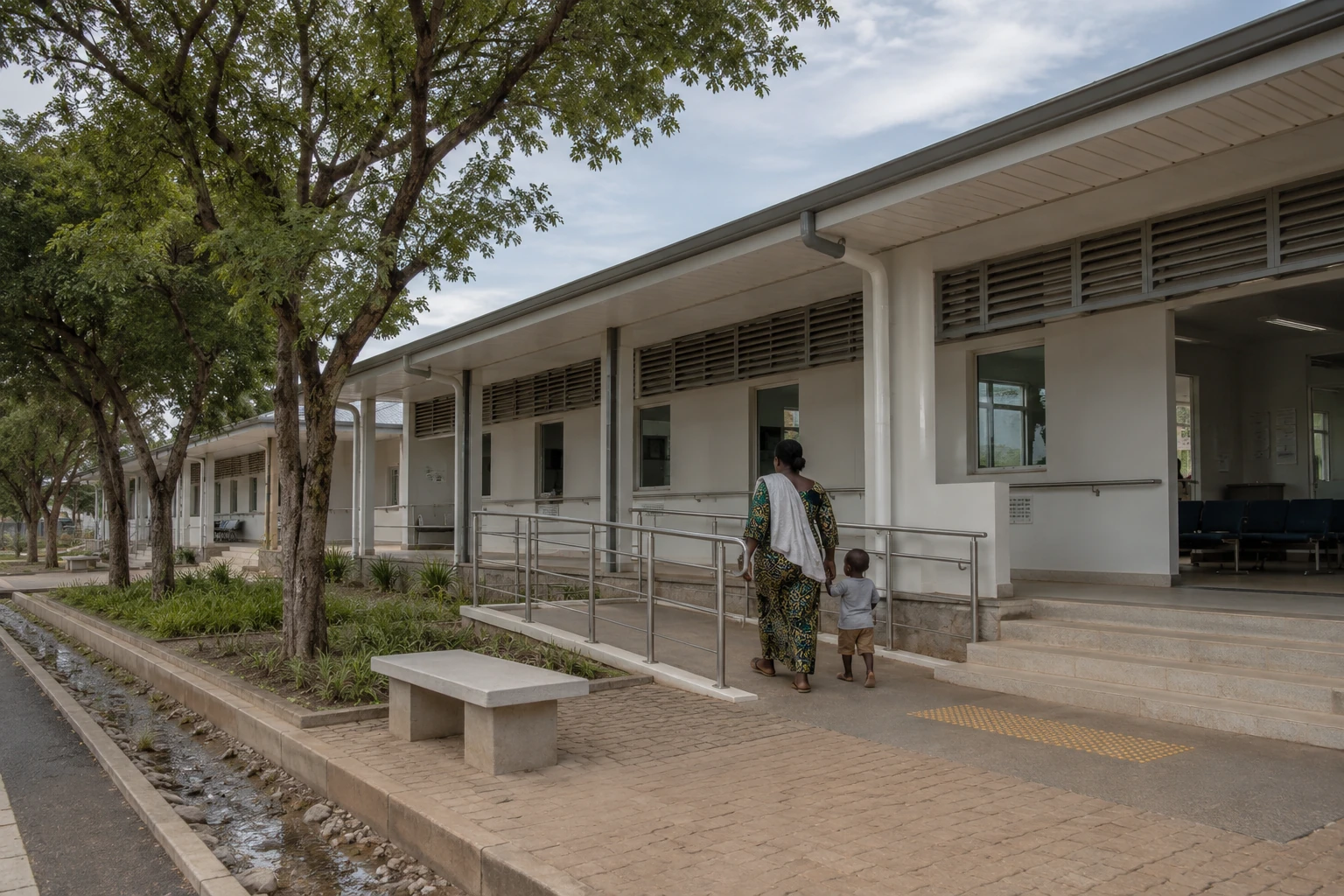
  • Editorial photograph for the Resilient buildings and public infrastructure archetype. Buildings & Built Environment archetype

    Resilient buildings and public infrastructure

    Plan and build for heat, flood, fire, and accessibility from the start.
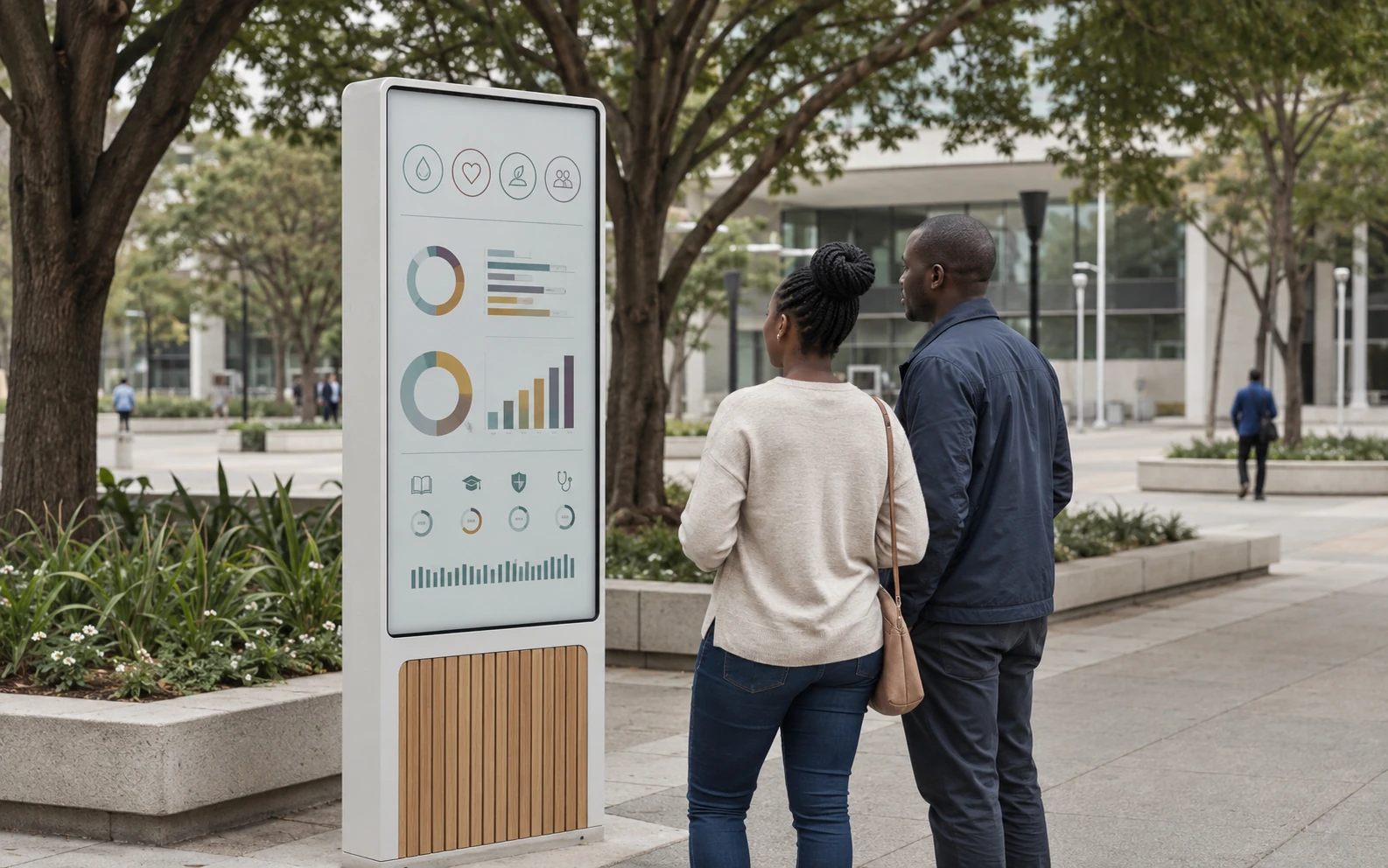
    • Code adoption and enforcement
    • Climate-aware retrofits
    • Public buildings and safe schools
    Related topics: Buildings & Built Environment
  • Editorial photograph for the Quality of life as a steering metric archetype. Quality of Life & Inclusion archetype

    Quality of life as a steering metric

    Use measurable wellbeing instead of GDP alone to guide urban decisions.
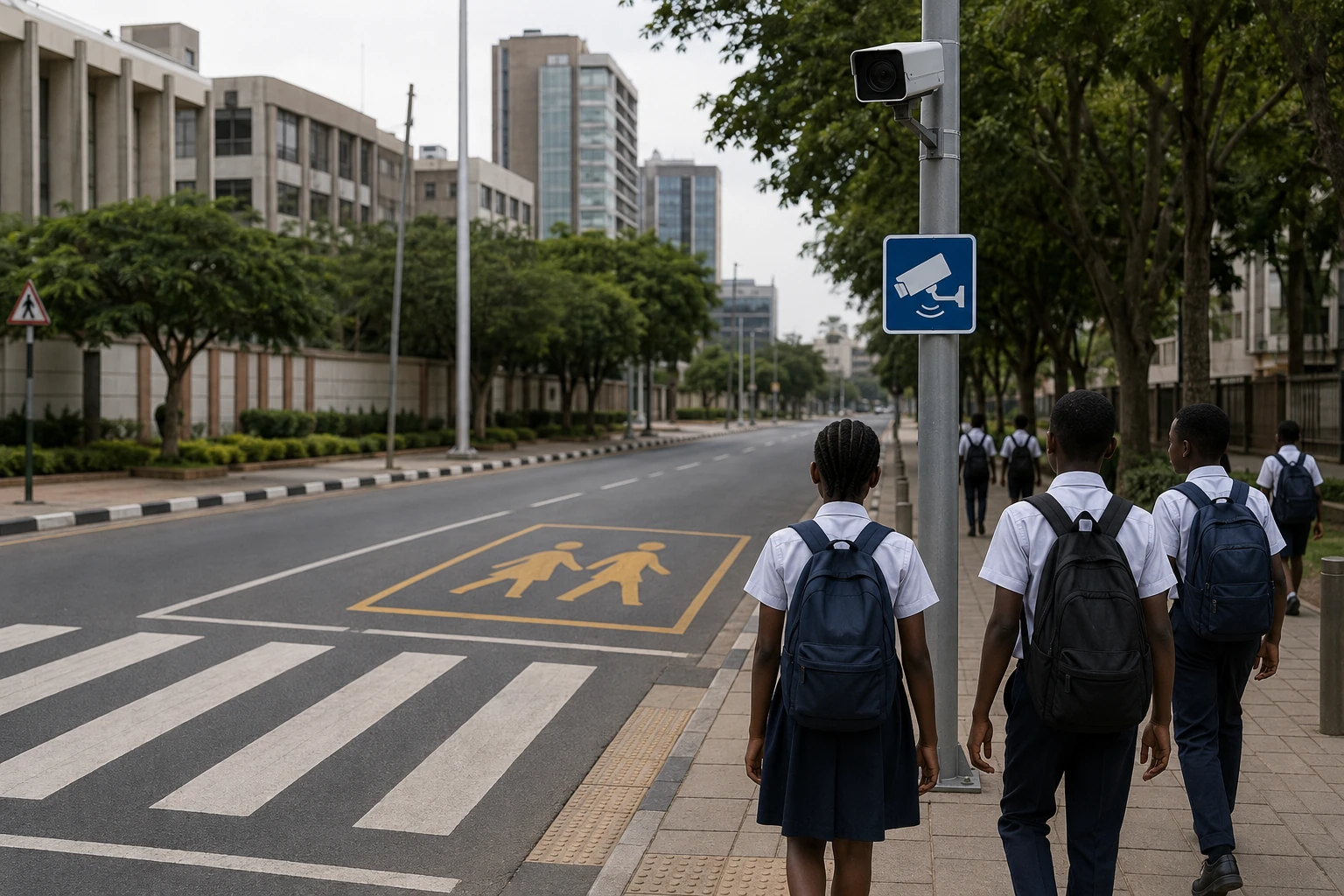
    • Voluntary Local Reviews
    • Domain-based dashboards
    • Inclusion-aware investment routing
    Related topics: Quality of Life & Inclusion
  • Editorial photograph for the Safer corridors and controlled access for public assets archetype. Responsible AI & Operational Safety archetype

    Safer corridors and controlled access for public assets

    Reduce traffic incidents, secure depots and verify events with rights-aware video analytics — within explicit guardrails, not blanket surveillance.
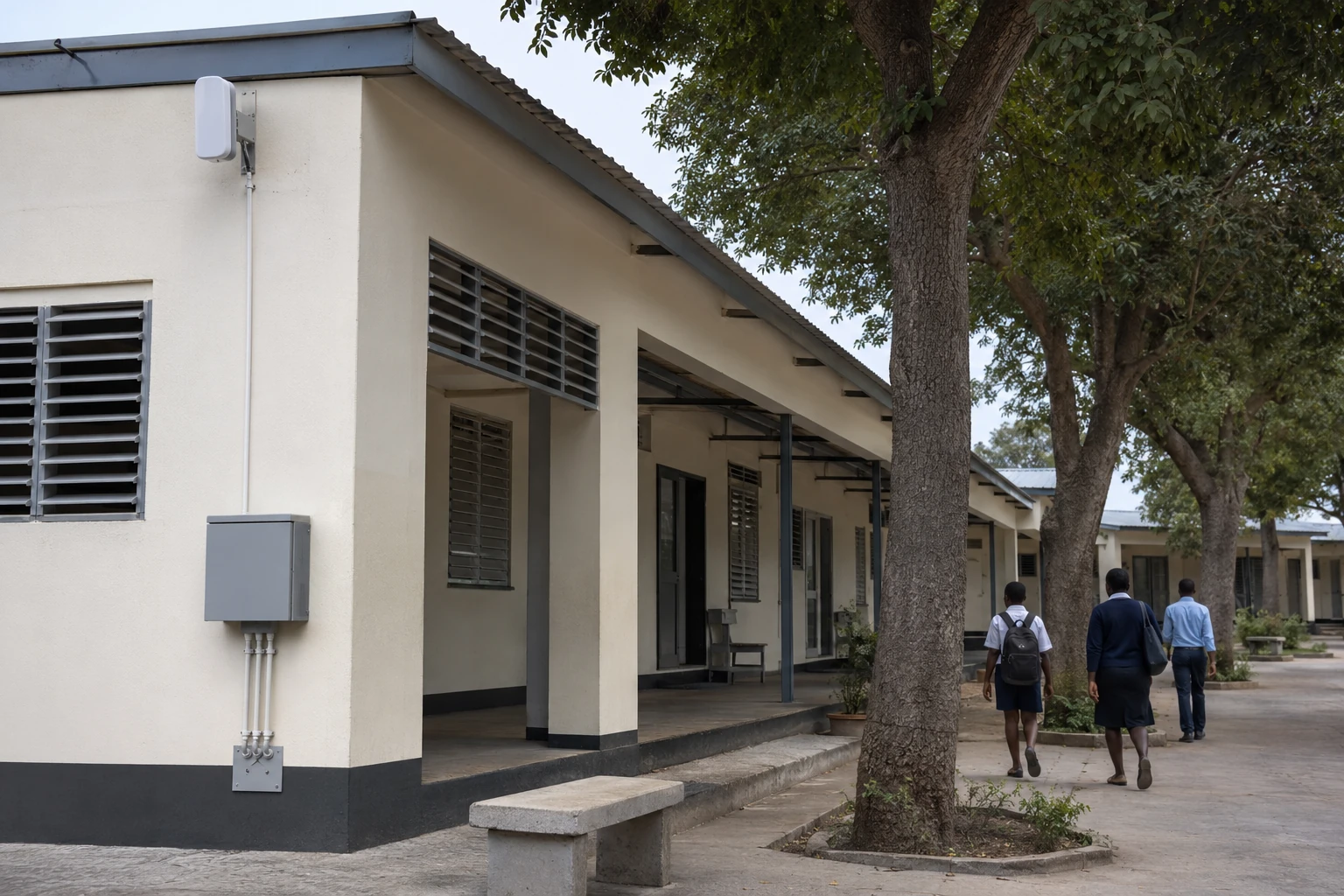
    • ANPR/LPR for traffic-zone enforcement
    • Access control for depots, substations and critical sites
    • Edge/on-prem deployments with documented retention and human review
    Related topics: Responsible AI & Operational Safety
  • Editorial photograph for the Affordable broadband for public anchor institutions archetype. Telecommunications & Internet archetype

    Affordable broadband for public anchor institutions

    Plan a sustainable mix of fiber, FWA and mobile to connect schools, clinics and municipal sites at a price the city can carry.
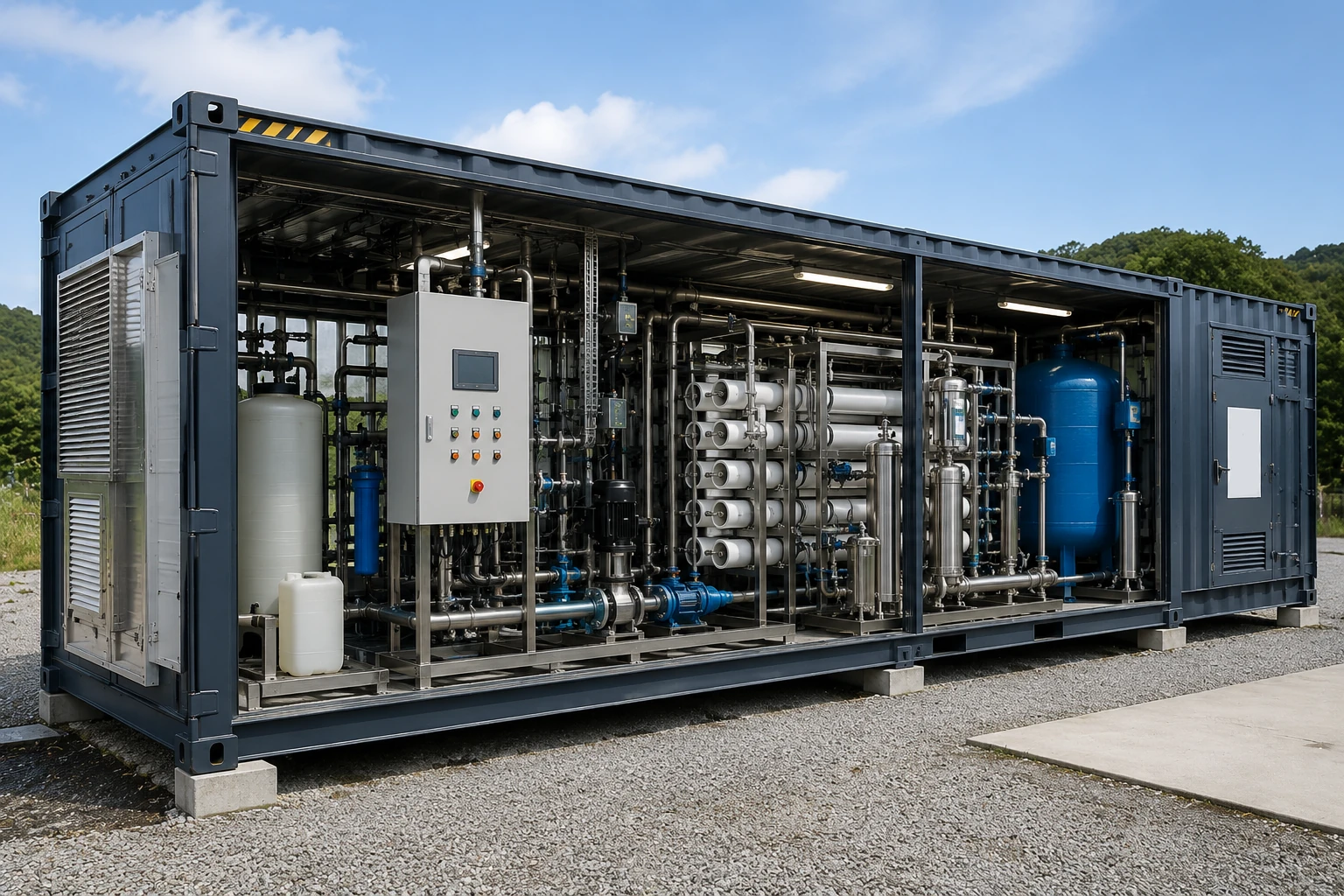
    • Anchor-institutions connectivity plan
    • Fiber, FWA and mobile mix per location
    • PPP and donor-supported financing routes
    Related topics: Telecommunications & Internet
  • Editorial photograph for the Safe water and reuse for growing districts archetype. Water & Sanitation archetype

    Safe water and reuse for growing districts

    Combine centralised upgrades with decentralised and modular treatment so coverage, quality and reuse keep pace with rapid urban growth.

    • Decentralised and modular treatment for new districts
    • Wastewater modernisation and safe reuse
    • SCADA-backed monitoring with WSP/SSP compliance
    Related topics: Water & Sanitation

Have a use case that doesn't fit cleanly?

Which themes fit best is highly city-specific. Tell us a little about the city, the partners involved, and what kind of decision you're trying to make. We'll come back with the right entry point.