 Smart City Africa
 Energy
Grid, mini-grids, stand-alone systems and clean cooking as one resilience picture.
The challenge
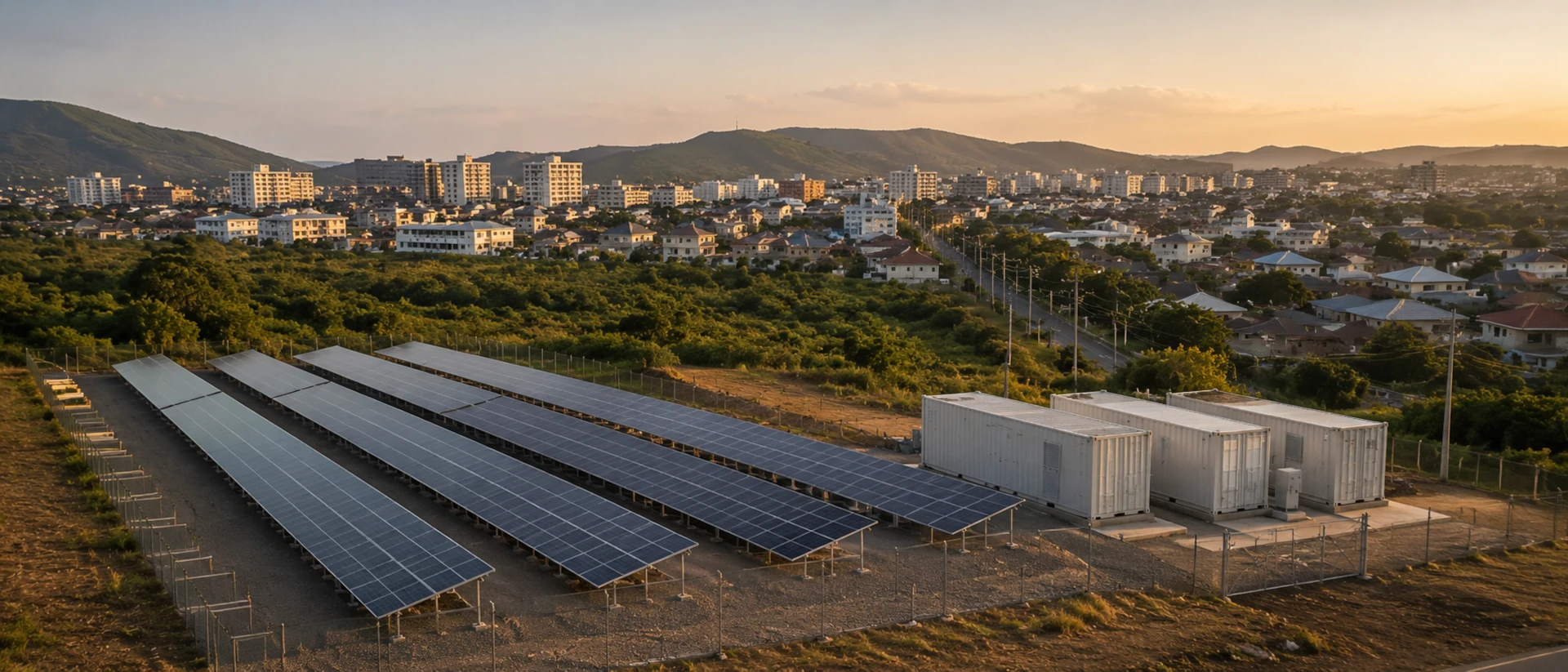
Energy in African cities is not a single problem. It is a stack: an unevenly extended grid, neighbourhoods served by mini-grids or stand-alone systems, a clean-cooking gap that still drives most household exposure to indoor air pollution, and a productive-use layer where small businesses, clinics, schools and water utilities depend on reliable supply they often do not get. Treating any one of these in isolation produces partial answers.
Why this matters in African cities now
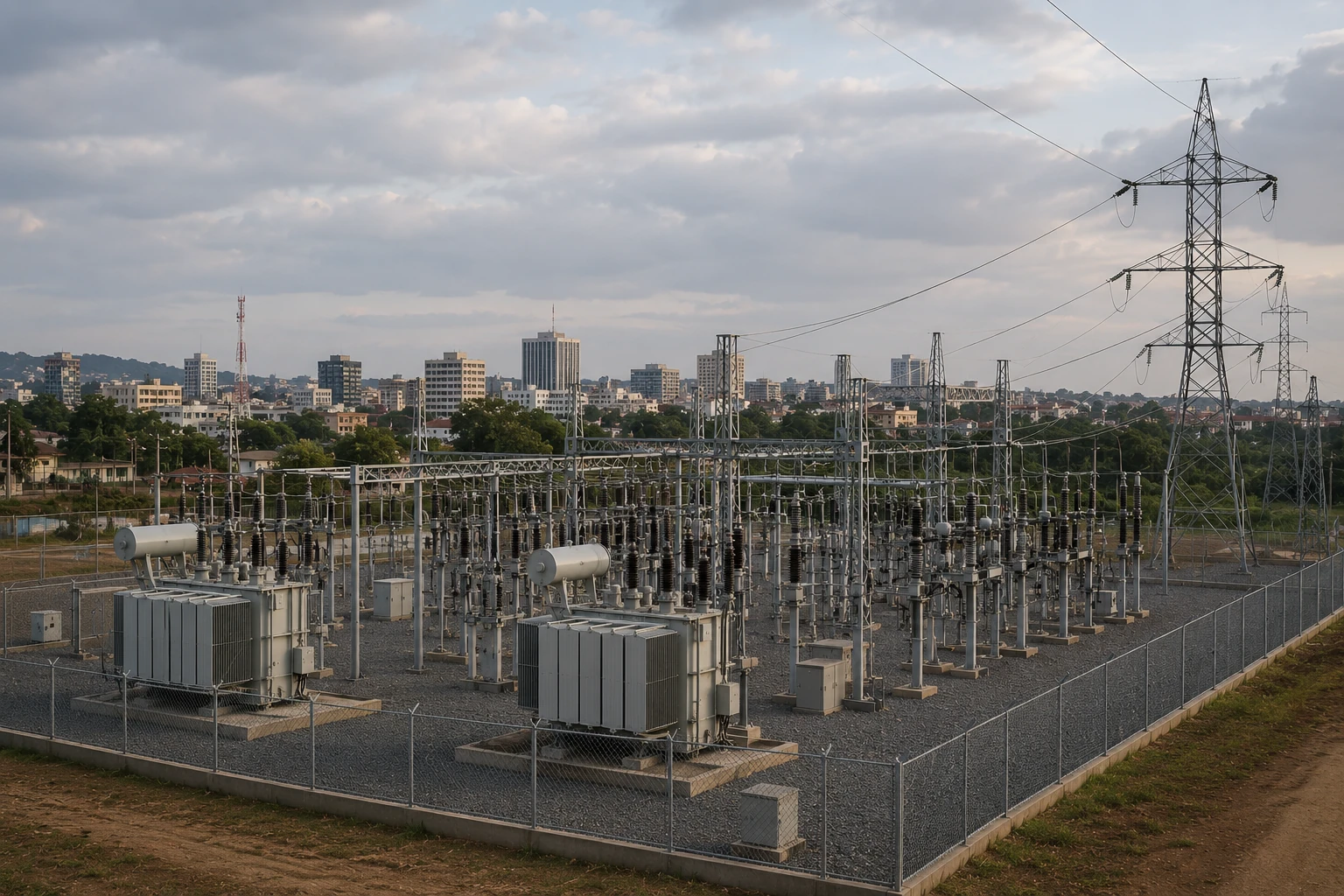
The IEA’s tracking shows that around 600 million people in Sub-Saharan Africa still lacked electricity access in 2024, and roughly 960 million in the region were without clean cooking in 2023. Behind these aggregates sit clinics that lose vaccines during outages, schools that cannot run lighting or digital tools after sunset, and households where biomass cooking causes preventable disease. Climate volatility raises the stakes — heat events drive cooling demand, floods damage substations, and fuel price shocks pass through to tariffs. The decisions taken now determine whether new urban districts lock in fossil-heavy supply or move directly to cleaner, more resilient configurations.
How we think about this topic
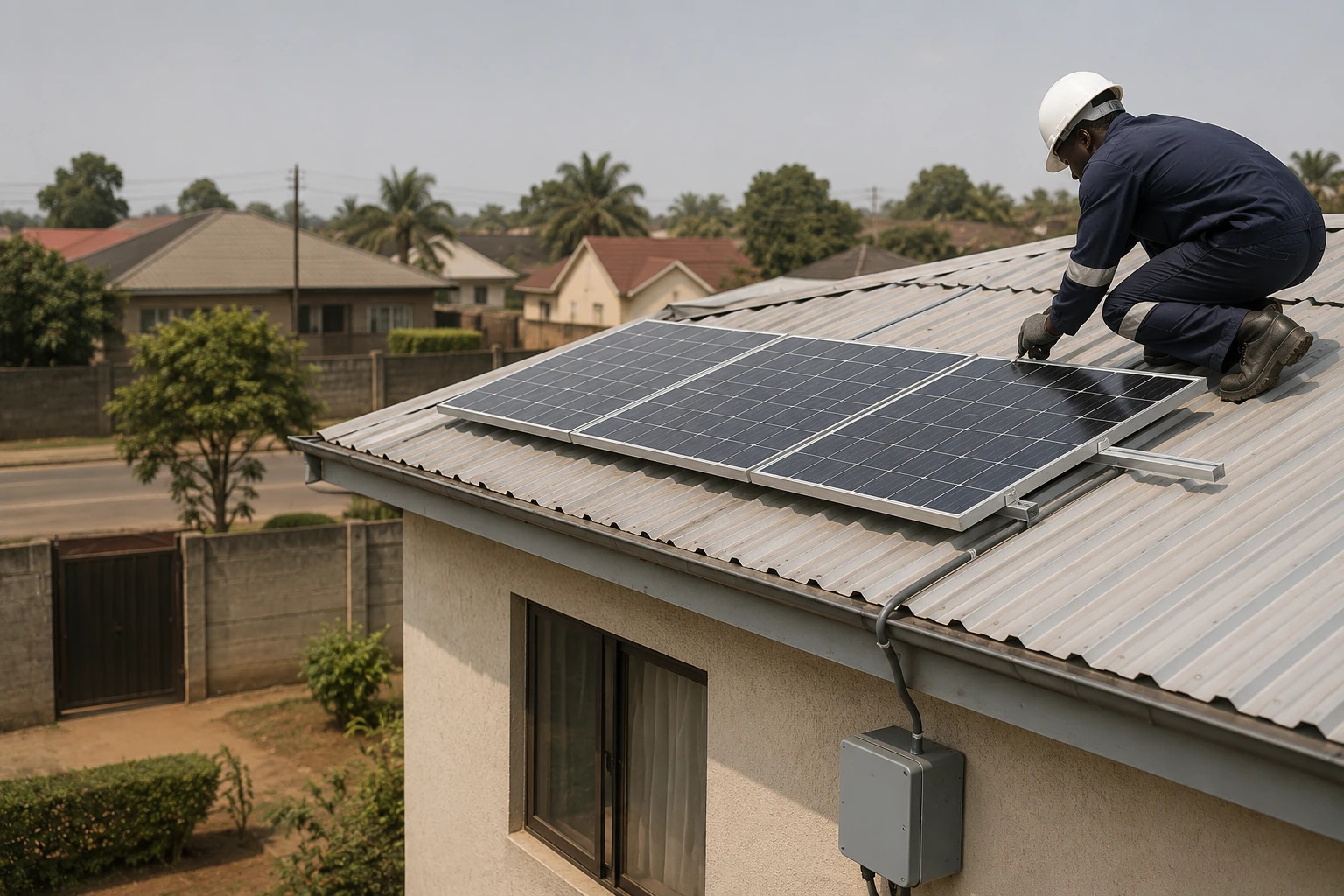
We plan grid, mini-grids, stand-alone systems and clean cooking as one resilience picture rather than four parallel programmes. The right starting point is usually a load and reliability map of the city: who is connected, who is not, where outages are concentrated, and which loads are critical. From there, the mix of grid reinforcement, mini-grid concessions and household-level systems can be tuned to local conditions instead of imported from a generic template. We treat clean cooking as an energy and public-health workstream, not a side topic.
What we typically deliver
We help city and utility teams diagnose reliability and access gaps, design mini-grid programmes and connection-subsidy mechanisms, structure hybrid power for critical public services such as clinics, schools and water utilities, and develop clean-cooking transition plans. Where it makes sense, we couple energy plans with the buildings, mobility and waste workstreams so the same investments cut emissions, lower bills and improve service reliability at the same time.
Governance and delivery considerations
Energy outcomes hinge on regulation, tariff design and procurement discipline. We work on the boundary conditions that make private and concessional capital deployable: licensing for mini-grid operators, tariff and subsidy structures that protect low-income users, performance-based contracting for utilities, and transparent procurement for hybrid public-service systems. Risk allocation between public authorities, operators and financiers needs to be explicit, not implied.
How we measure outcomes
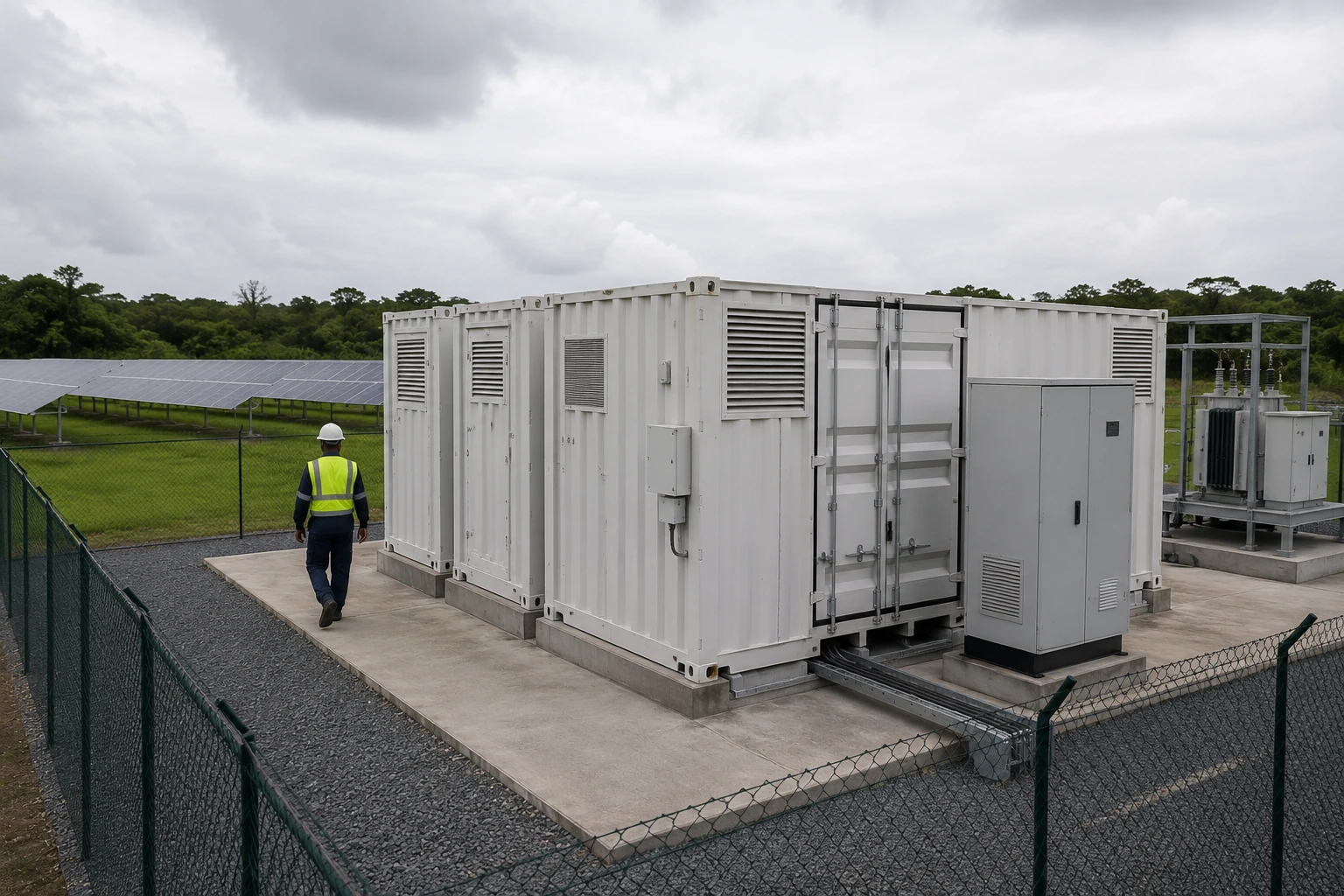
We measure energy progress against access, reliability, affordability and resilience: connection rates by income decile, hours of supply per day, share of clinics and schools with reliable power, share of households on clean cooking, and tariff levels relative to ability to pay. Emissions and air-quality benefits are tracked, but the steering question is whether services and households actually receive the power they need, when they need it.
Energy through four lenses.
-
Resilience & Climate
Reliable, lower-carbon power is climate adaptation in practice. Hybrid systems for clinics, schools and water utilities keep critical services running through outages, fuel-price shocks and floods.
-
Inclusion & Access
IEA data put around 600 million people in Sub-Saharan Africa without electricity access in 2024, and roughly 960 million without clean cooking in 2023 — with measurable health and productivity costs concentrated on women and children.
-
Governance & Rights
Mini-grid programmes, tariffs and connection subsidies depend on clear regulatory regimes, transparent procurement and consumer protection. Without these, private capital stays expensive and unevenly distributed.
-
Economic Impact
Unreliable power is one of the largest drags on African urban productivity. Closing the access gap and stabilising supply unlocks jobs, fiscal capacity and lower lifetime costs for public infrastructure.
Talk to us about energy.
Which themes fit best is highly city-specific. Tell us a little about the city, the partners involved, and what kind of decision you're trying to make. We'll come back with the right entry point.