 Smart City Africa
 Mobility
Access, reliability and active transit — the people-first lens on urban movement.
The challenge
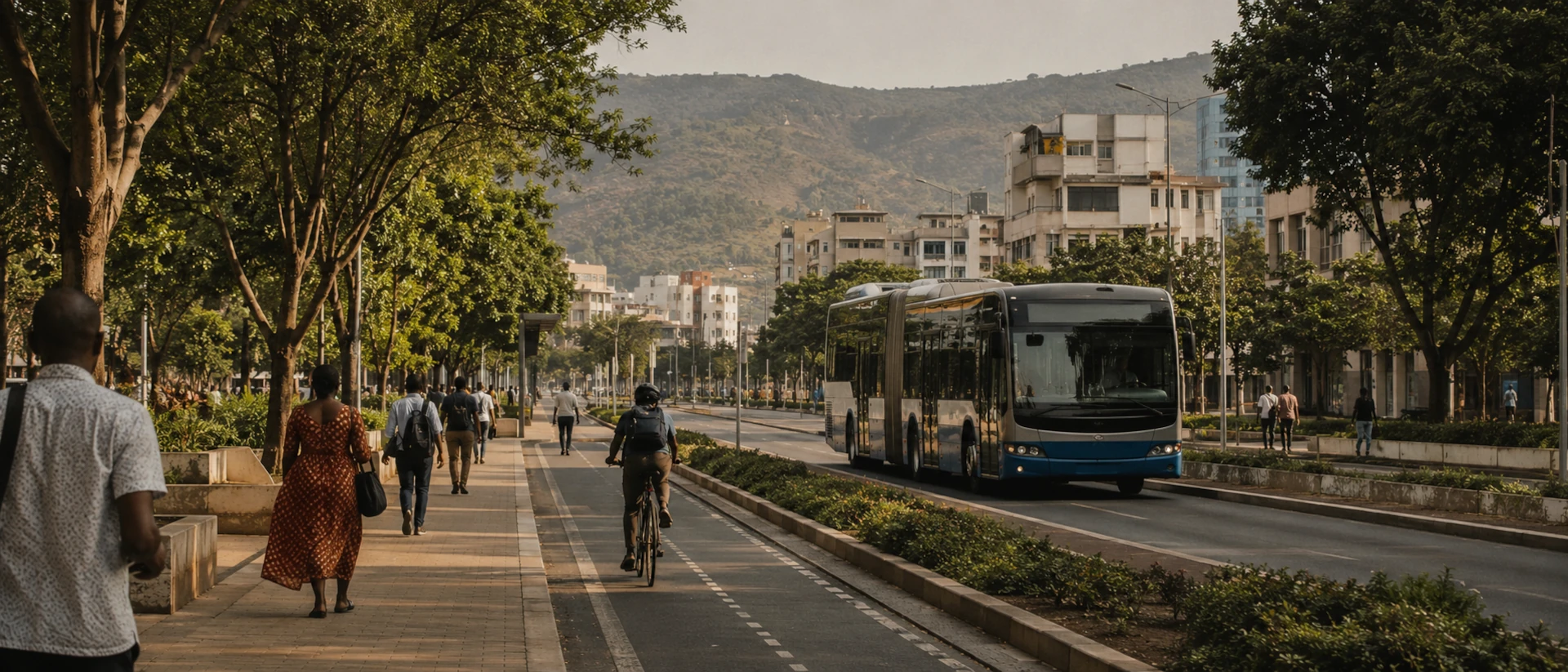
Most urban movement in African cities happens on foot, on two wheels and in informal minibuses, on networks that were not planned for the trip patterns they now carry. Congestion, road-traffic injuries, long commutes and unreliable services hit lower-income households hardest, because they spend more time and a larger share of income reaching jobs and services. Dedicated lanes for buses and active modes are rare, and the streets people actually use are often the least safe.
Why this matters in African cities now
Urban populations are growing faster than road networks can be widened, and most of the future infrastructure has not been built yet. UN-Habitat analysis across 188 large African cities indicates that a sustainable mobility scenario, weighted toward public and active transport, could avoid roughly USD 43 billion in infrastructure cost and USD 109 billion in fuel cost relative to business as usual. Concrete corridor results already exist: the World Bank reports that the first phase of the Dar es Salaam BRT cut travel times on the corridor by more than half. The decisions taken now lock in either car dependency or accessible, lower-emission systems for decades.
How we think about this topic
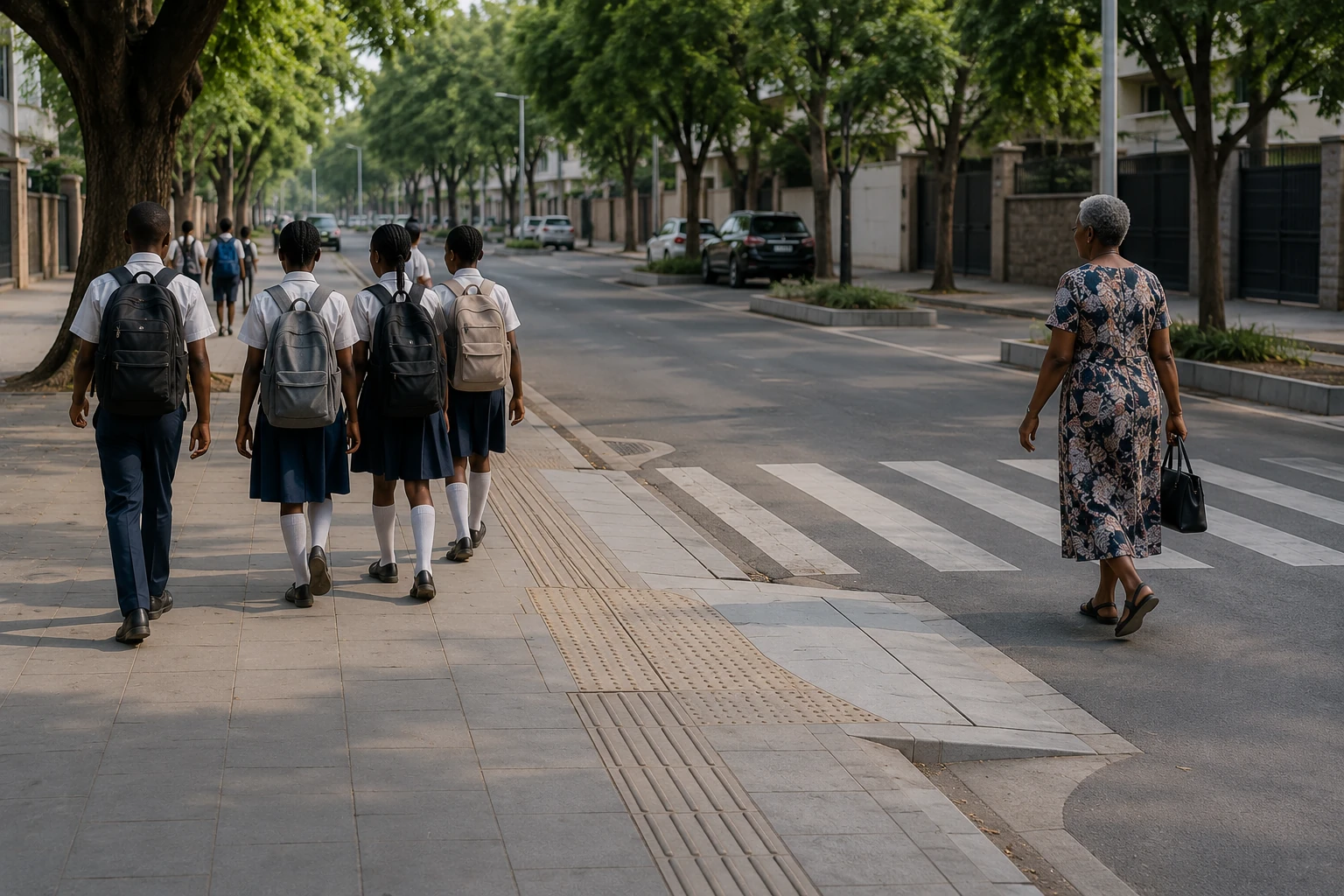
We treat mobility as an access problem first and a vehicle problem second. The right diagnostic is who can reach which jobs, schools, clinics and markets within a reasonable time, at a price they can pay, on services they can trust. Modal shares, walking and cycling conditions, road safety outcomes and fare integration matter more than headline kilometres of new road. We pay particular attention to road safety, because injury rates on African urban networks are disproportionately high and concentrated among pedestrians.
What we typically deliver
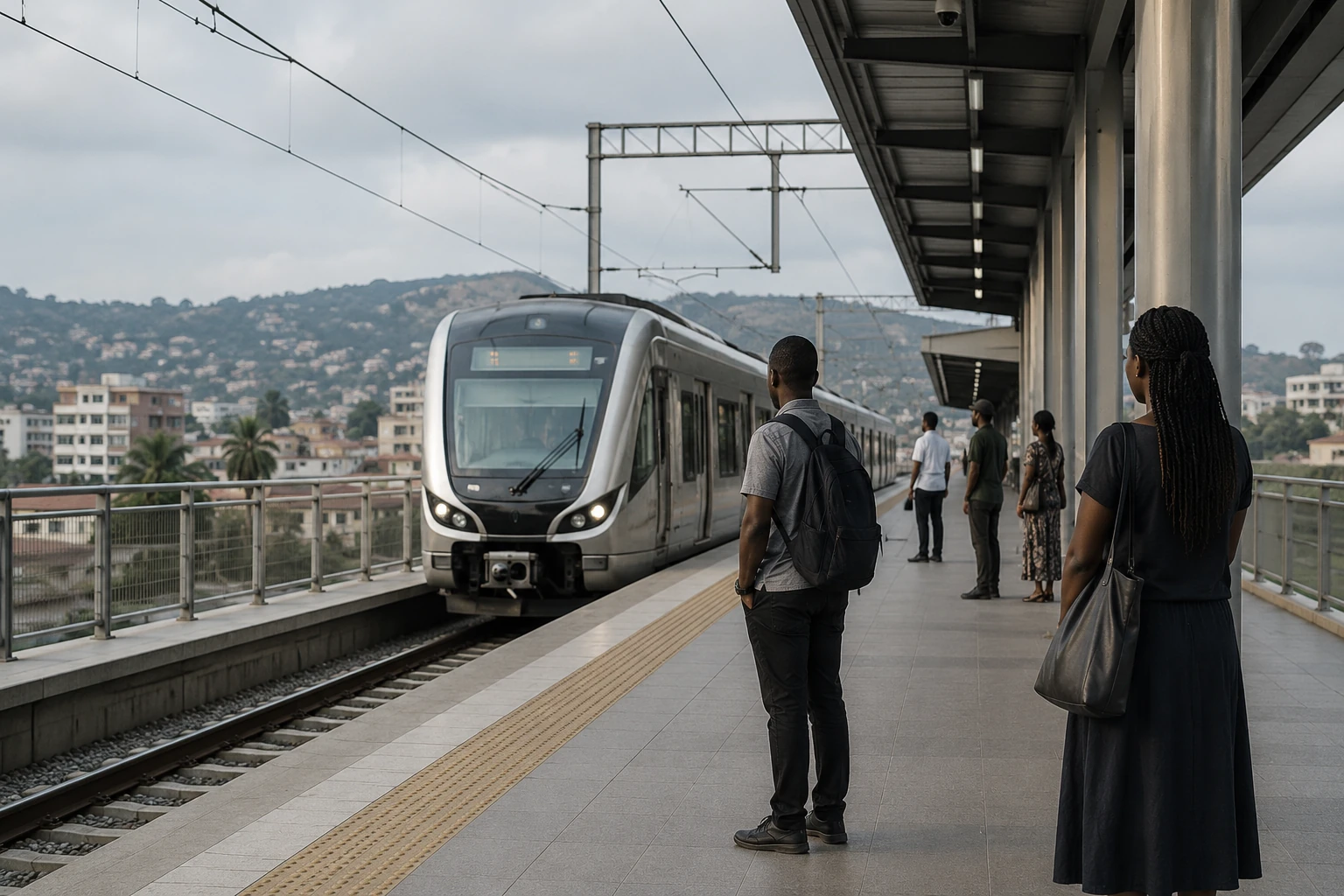
We help cities and metropolitan authorities build the evidence base for corridor and network decisions, design BRT, light-rail and commuter-rail corridors as part of integrated public transport plans, develop active mobility networks, structure fare and information integration across formal, informal and rail operators, and align procurement and operating models with public-interest goals. Where useful, we connect the mobility plan to the city’s energy, governance and built-environment workstreams so the same investment dollar pays back in more than one outcome.
Governance and delivery considerations
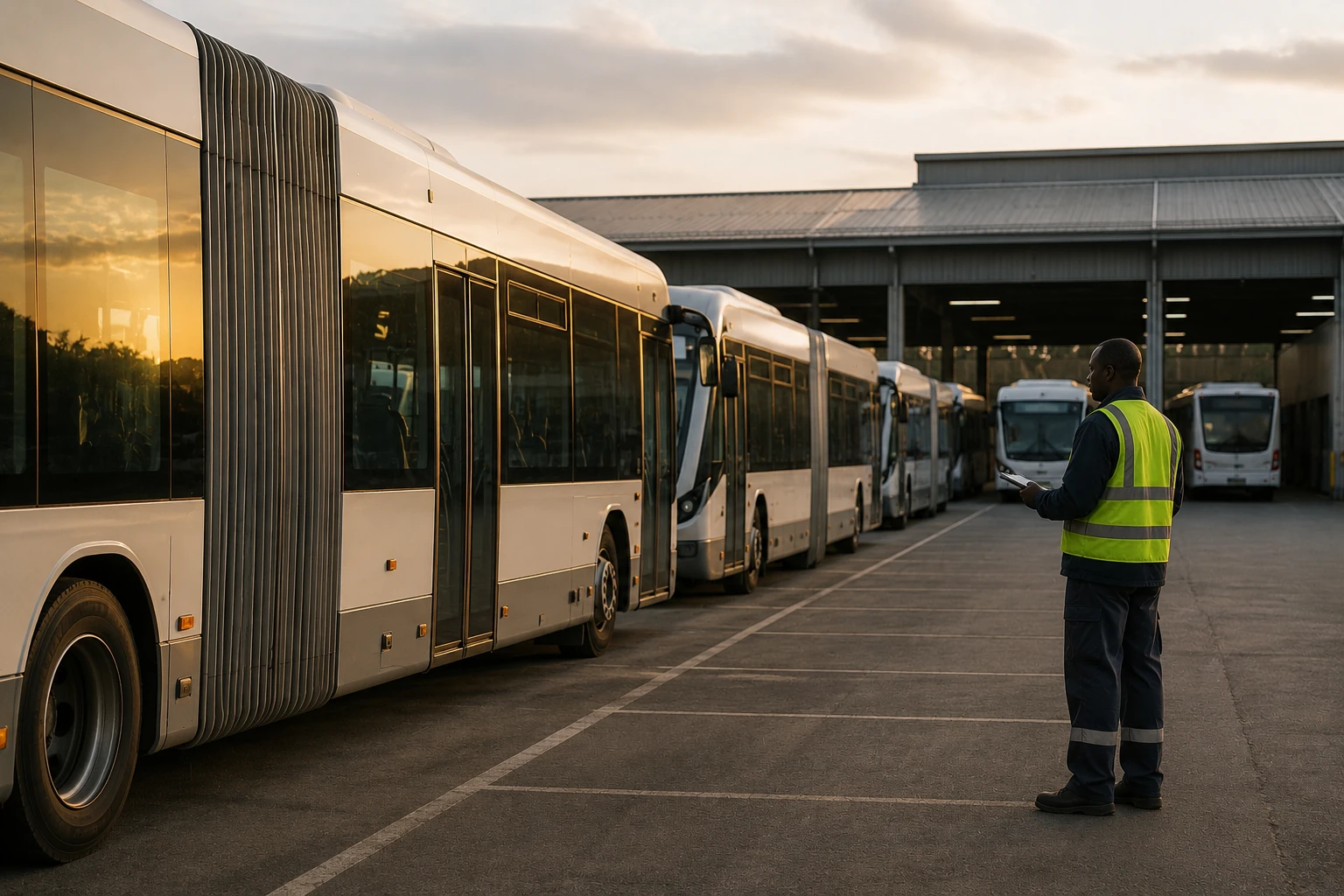
Urban mobility almost always crosses administrative boundaries and revenue silos, so governance is the binding constraint. We help city teams set up metropolitan-level coordination, define risk and revenue allocation between public authorities and operators, and design procurement that protects service quality without extinguishing existing minibus and motorcycle livelihoods. Financing rarely comes from one source; we work with multilateral, national and commercial financiers to assemble structures that survive political cycles.
How we measure outcomes
We measure mobility against access, reliability and safety: share of residents within a defined travel time of opportunities, modal share of public and active transport, on-time performance, road-traffic injury and fatality rates, and affordability of typical commutes relative to income. Climate and air-quality co-benefits are tracked alongside, but they are co-benefits — the steering metric is whether more people can reliably and safely reach what they need.
Mobility through four lenses.
-
Resilience & Climate
Mobility networks are climate infrastructure. Bus rapid transit, active travel and shaded streets reduce fuel use and exposure to heat — and stay usable when fuel prices spike or floods cut roads.
-
Inclusion & Access
Most urban Africans do not own a car. Access for women, children, older people and people with disabilities depends on walkability, predictable public transport and safe stops, not on more lanes.
-
Governance & Rights
Coordinated mobility needs metropolitan-level governance, fare integration and transparent procurement. Open data on routes, frequencies and incidents is a public good, not a vendor asset.
-
Economic Impact
UN-Habitat estimates that a sustainable mobility scenario across 188 large African cities could avoid roughly USD 43 bn in infrastructure cost and USD 109 bn in fuel cost compared with business as usual.
Talk to us about mobility.
Which themes fit best is highly city-specific. Tell us a little about the city, the partners involved, and what kind of decision you're trying to make. We'll come back with the right entry point.