 Smart City Africa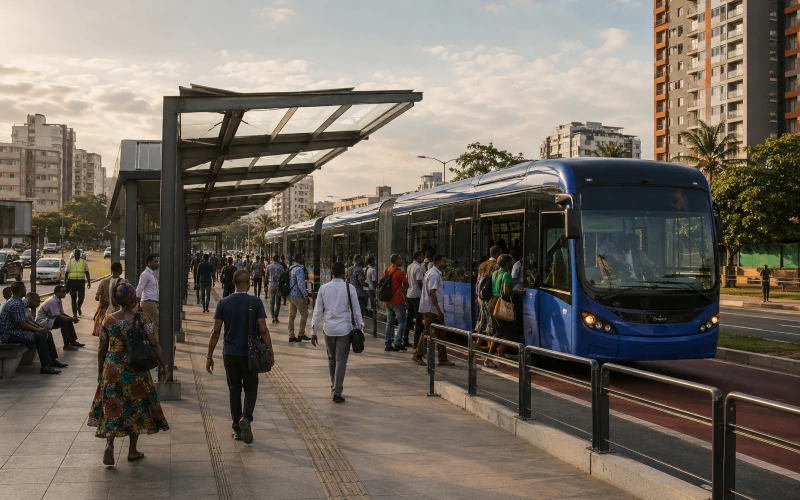
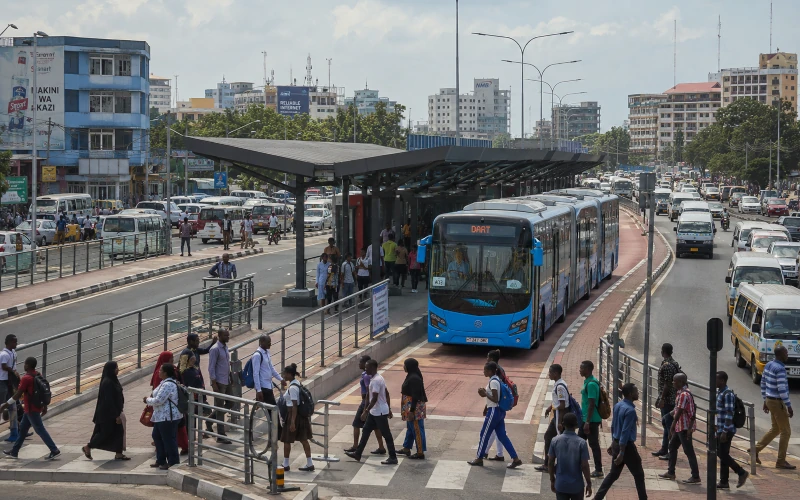
Mobility
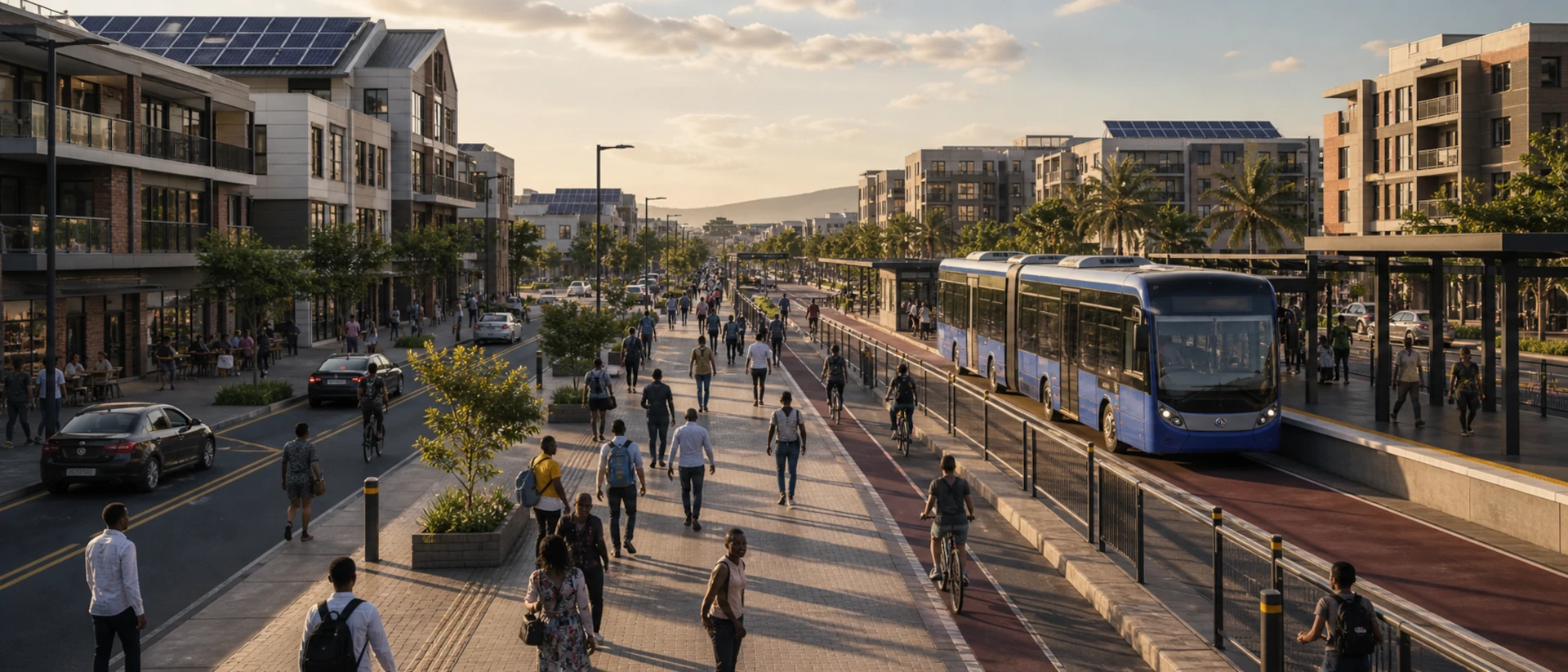
Access, reliability and active transit — the people-first lens on urban movement.
Read moreSmart City Africa connects mobility, energy, telecommunications, waste and circularity, agriculture and food systems, governance, buildings, and quality of life into integrated urban solutions.
600 M
people without electricity access in Sub-Saharan Africa
IEA · 202470 %
of African cities face severe climate risks
World Bank / WRI · 202338 %
internet usage in Sub-Saharan Africa vs. 68 % global
ITU · 2024Service systems, the enabling layer, the built environment, and quality of life — connected, not siloed. Each one written for the city team that has to commission, finance, and run it.
Access, reliability and active transit — the people-first lens on urban movement.
Read more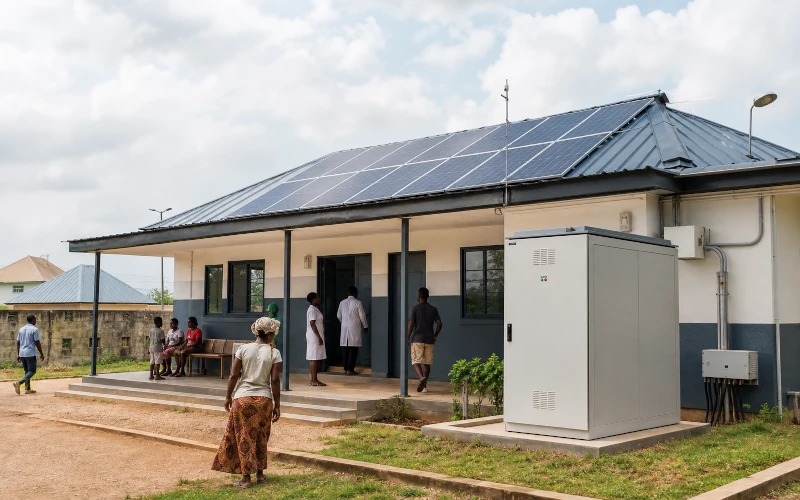
Grid, mini-grids, stand-alone systems and clean cooking as one resilience picture.
Read more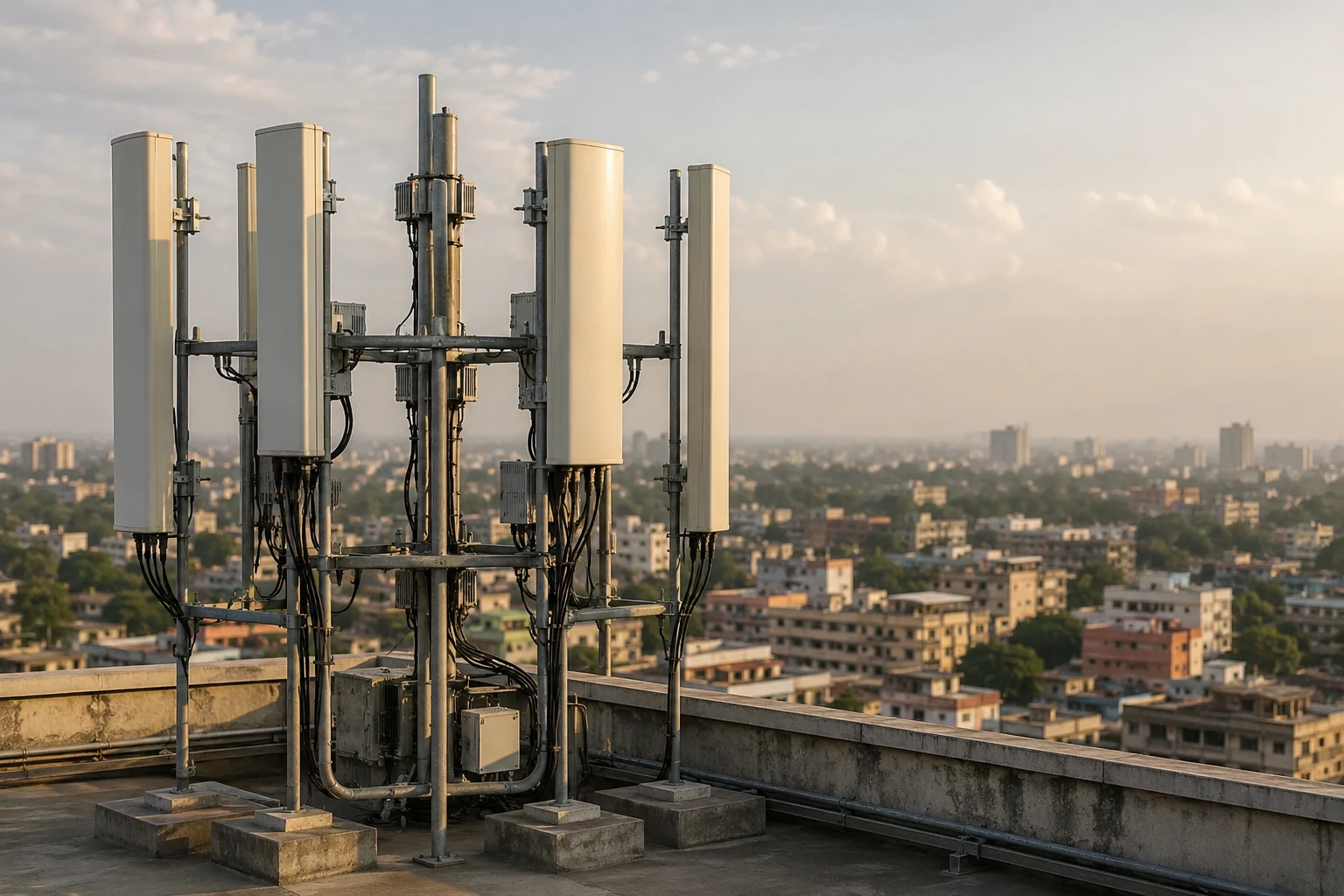
Mobile, fiber and FWA infrastructure for public administration, utilities and the wider economy — affordability, resilience and reach as one picture.
Read more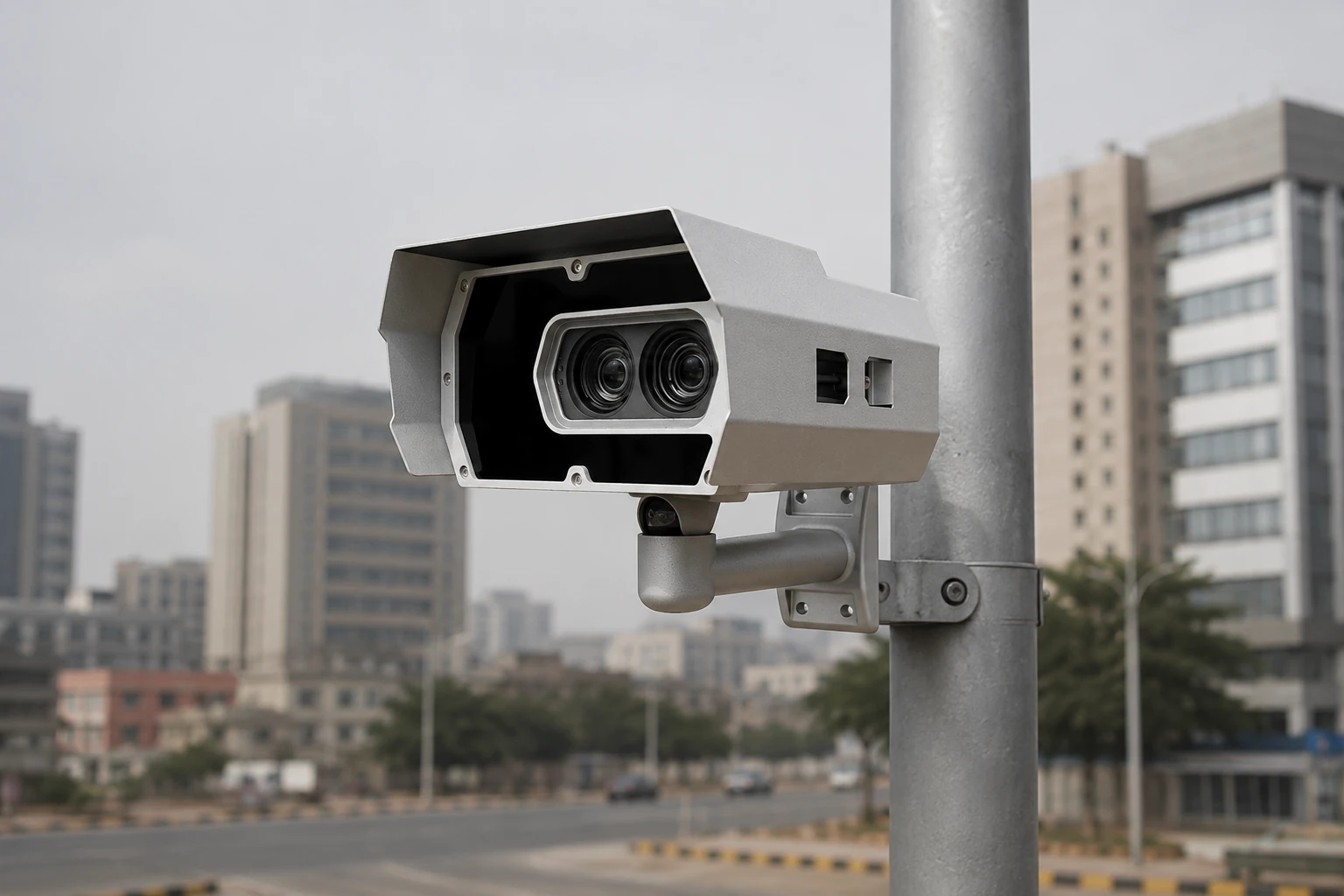
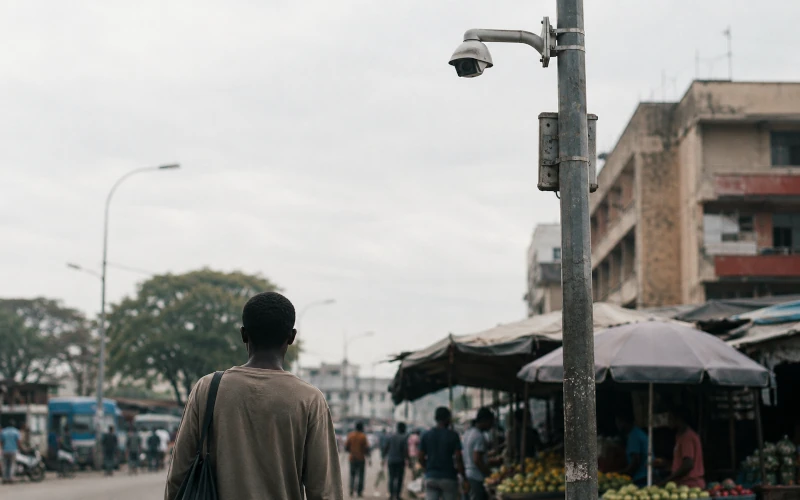
Rights-aware video analytics for traffic safety, controlled access and event verification — within explicit guardrails, not as mass surveillance.
Read more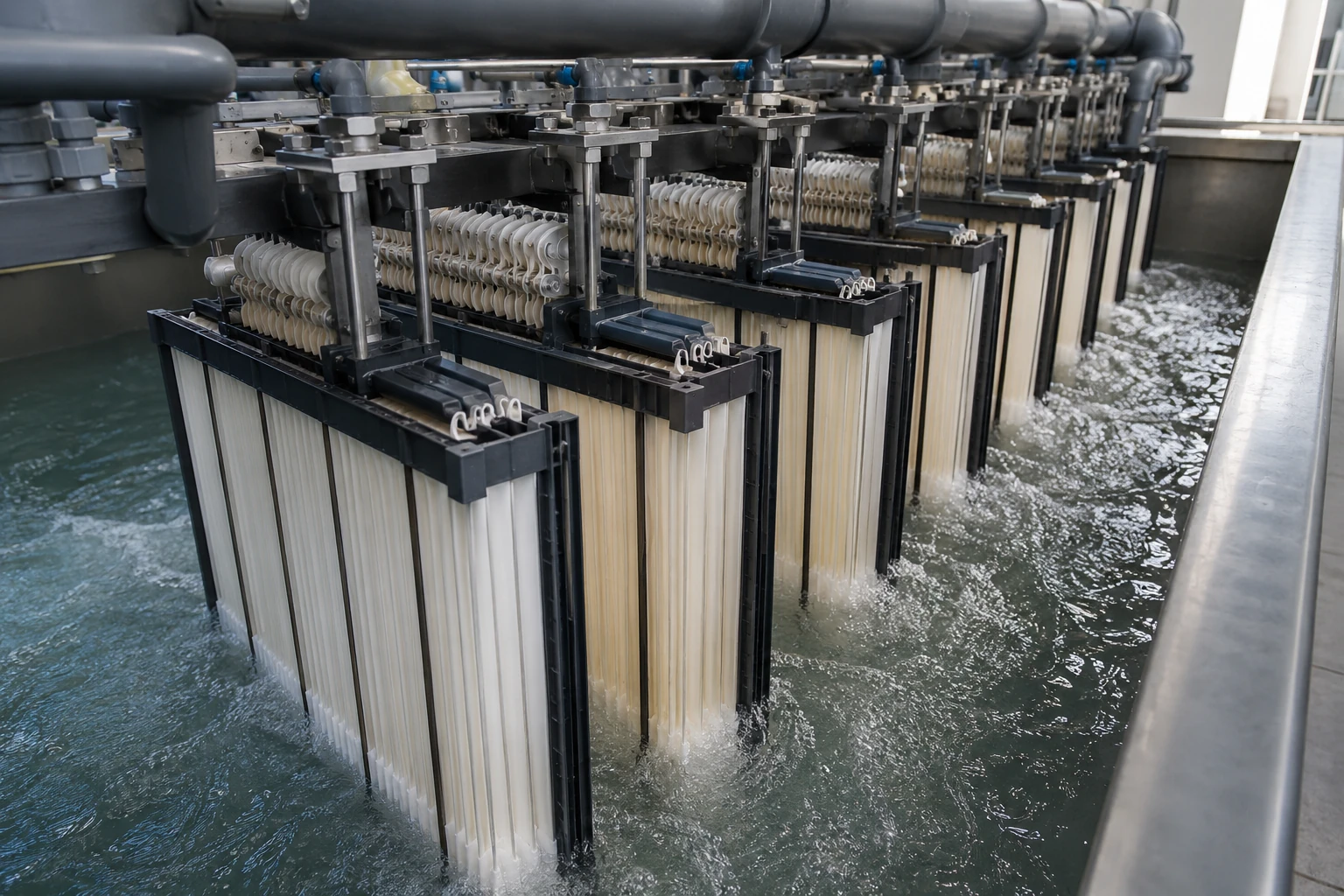
Safe drinking water, sanitation and reuse — centralised and decentralised systems, with monitoring and operating models that hold up under climate and growth pressure.
Read more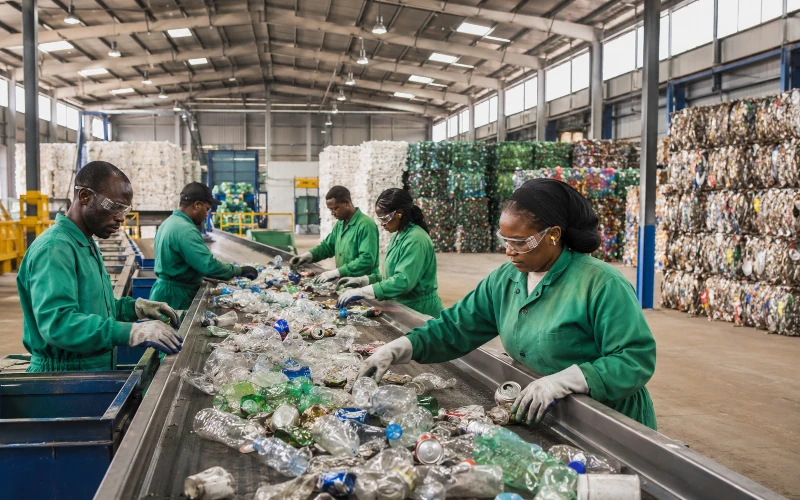
From collection gaps and uncontrolled disposal to circular flows that protect public health.
Read more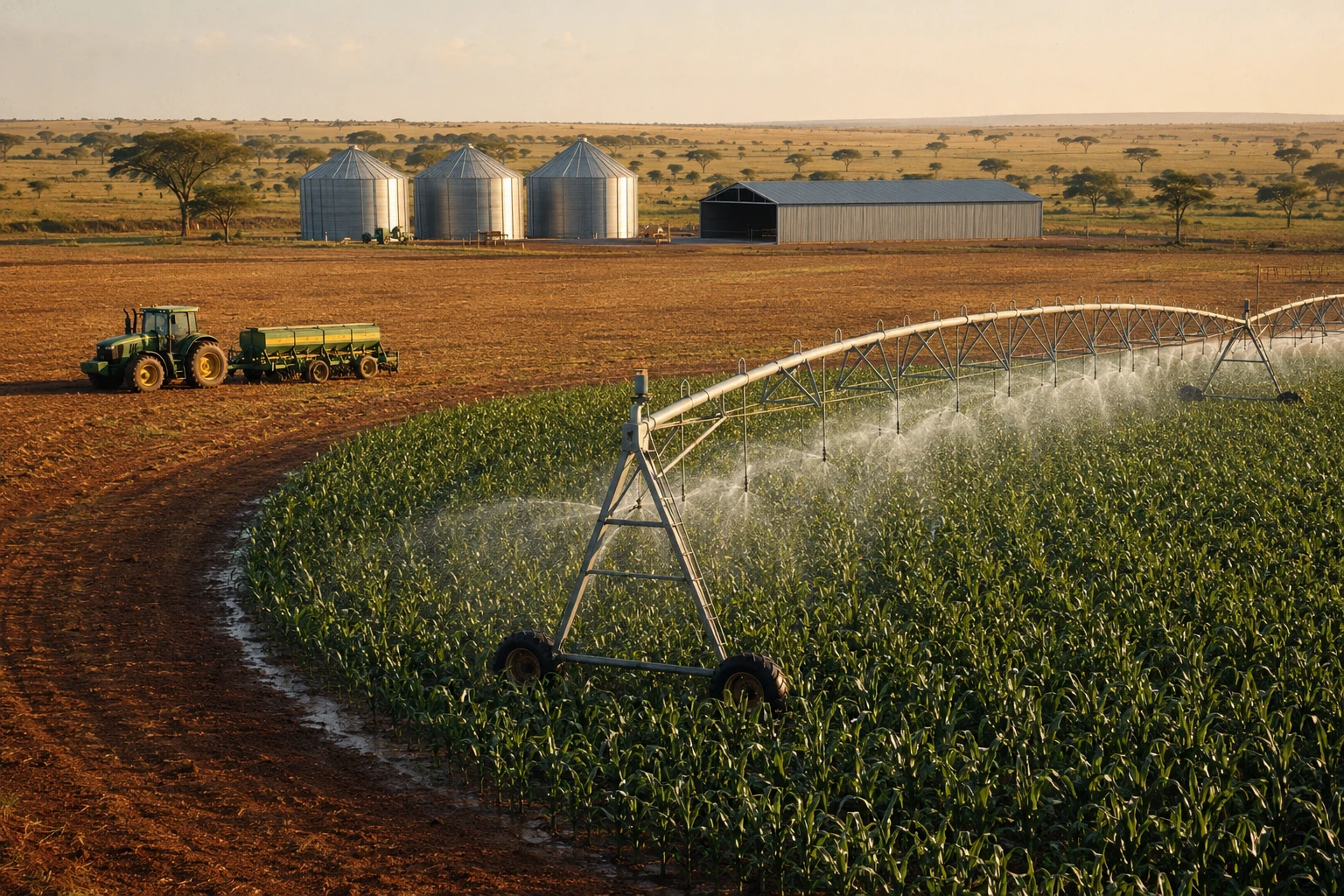
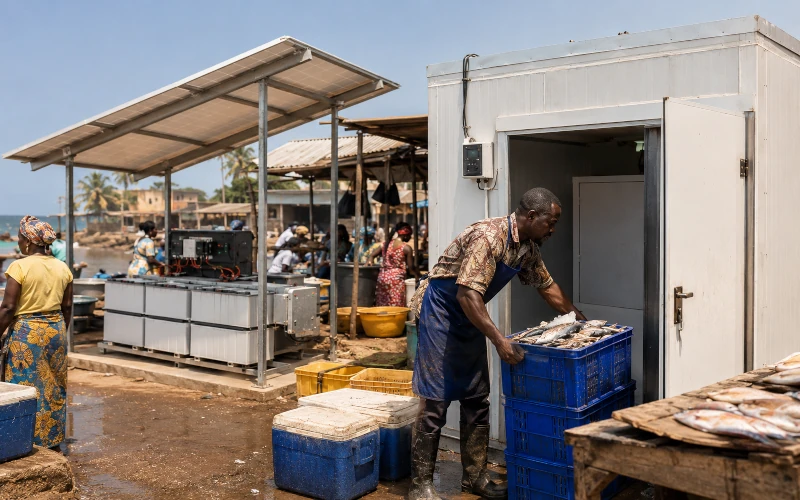
Industrial-scale agrifood supply for African cities — mechanised production, cold chain, processing and outgrower integration as one connected pipeline.
Read moreAfrica's urban population is set to double from roughly 700 million to 1.4 billion by 2050. More than two thirds of the urban infrastructure cities will need has not yet been built. The decisions taken in the next decade will shape how more than a billion people move, live, learn and earn.
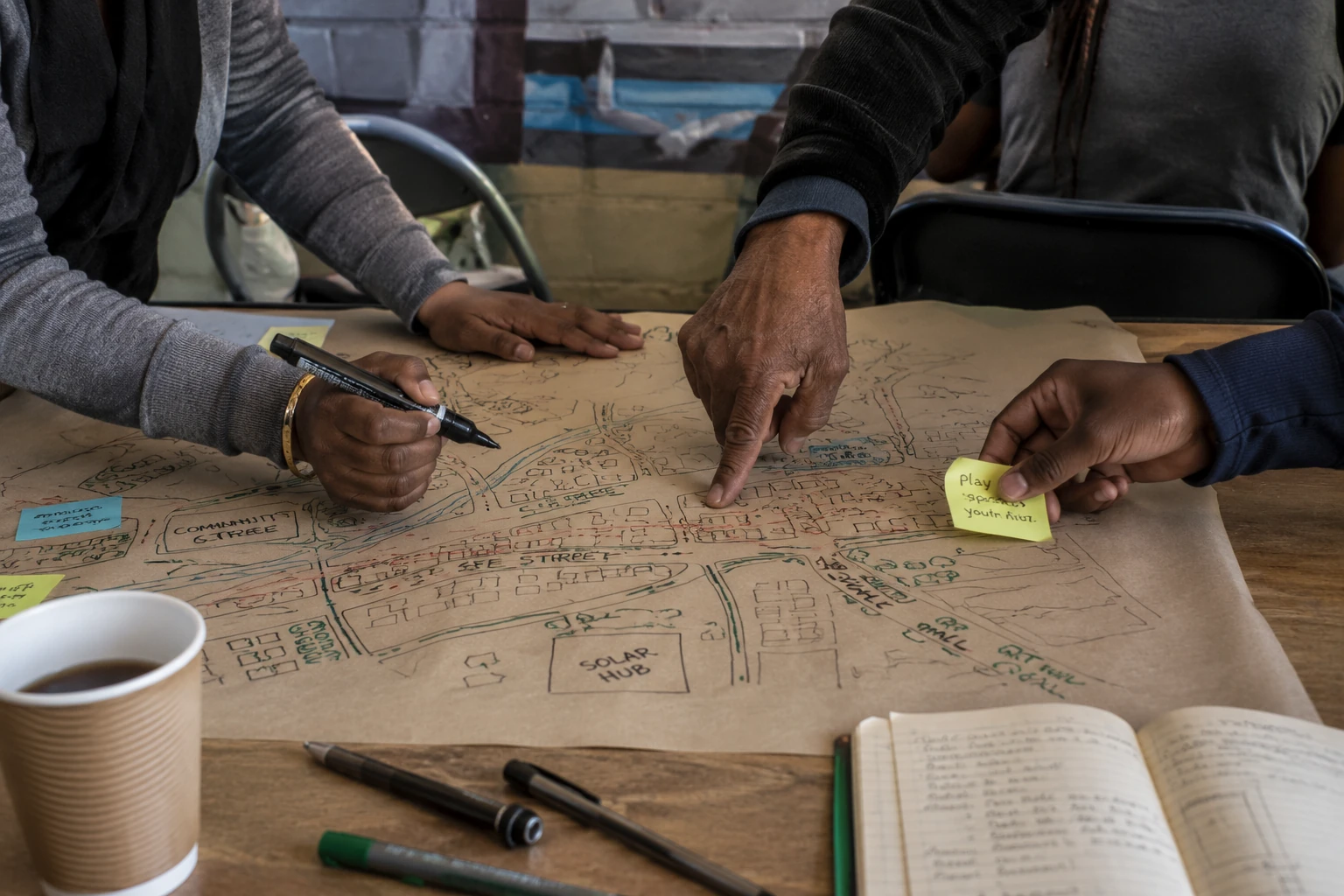
Top-down master planning has repeatedly failed to keep up. The international smart-city frame has shifted decisively towards people-centred, evidence-based, rights-respecting urban development. The work in front of cities is integration — across services, governance and outcomes — not another technology catalogue.
Outcomes are measured in access, reliability, dignity, and lived experience.
Decisions follow data and clear hypotheses, not vendor narratives.
Every intervention is paired with a way to know whether it worked.
Understand the city, its people, and its constraints before recommending anything.
Translate evidence into a sequenced, financeable, governable plan.
Stand up the partnerships, vehicles, and capacity needed to deliver.
Track real-world outcomes and feed them back into the next decisions.
Cities must absorb climate stress: heat, flooding, water scarcity, and ageing infrastructure.
Services must reach those most often excluded — informal settlements, women, the very young and very old, persons with disabilities.
Trustworthy delivery requires participation, transparency, data protection, and clear accountability.
Better urban systems mean productivity, jobs, fiscal capacity, and lower lifetime costs of failing infrastructure.
Which themes fit best is highly city-specific. Tell us a little about the city, the partners involved, and what kind of decision you're trying to make. We'll come back with the right entry point.