 Smart City Africa
 Evergreen reading on African urban systems.
A small, curated set of pieces — one per solution — written to age slowly. Each article ends with the sources it draws on, so you can follow the evidence.
-
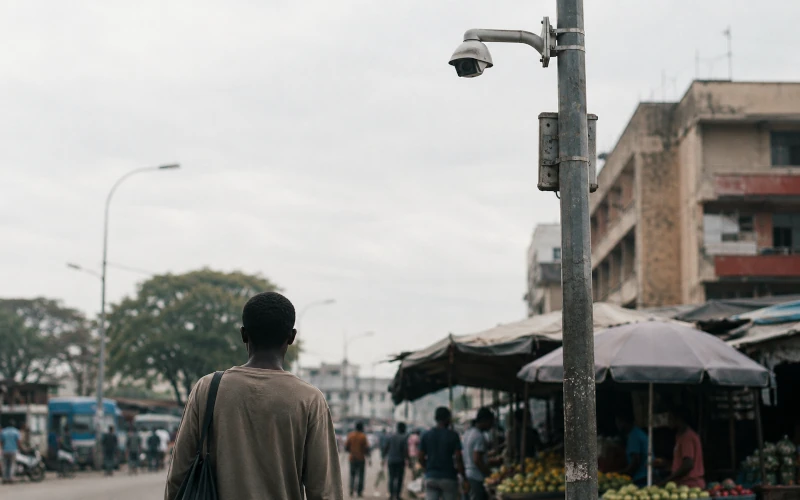
African cities are buying surveillance faster than they regulate it
How 11 African governments spent $2 billion on smart-city surveillance kit in 5–10 years — and why none of them has the legal framework to use it. Report by the African Digital Rights Network, March 2026.
-

Smart-city rankings measure institutions, not technology
The top of every major smart-city ranking is held by cities with mature public institutions, not by the cities with the most technology deployed. What that signals for African urban strategy.
-
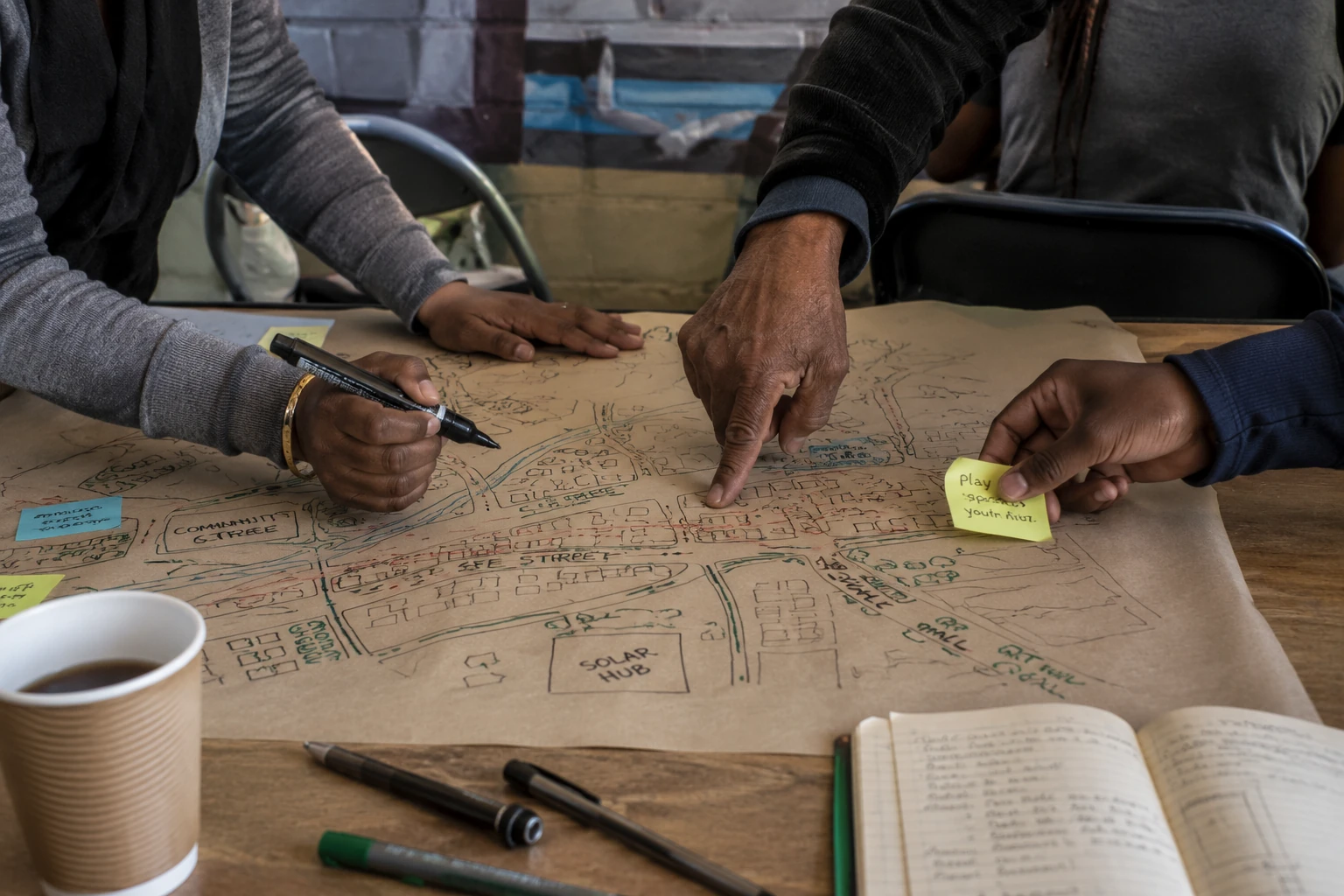
Smart cities are co-designed, not delivered
A peer-reviewed study in Westbury, Johannesburg, asked residents what they actually wanted from "smart city" technology — and how. The answers are concrete, modest, and a sharp contrast to the six-year-old promise of Lanseria.
-

Drinking water needs a Water Safety Plan, not a treatment plant
Why African cities should organise drinking-water and sanitation services around WHO Water Safety Plans and Sanitation Safety Planning — and what that means for monitoring, procurement and reuse.
-

Digital public services need an interoperability spine, not a portal
Why African cities should build digital services on a shared identity, payment and data-exchange layer — and what the OECD and World Bank evidence implies for procurement and pilot logic.
-
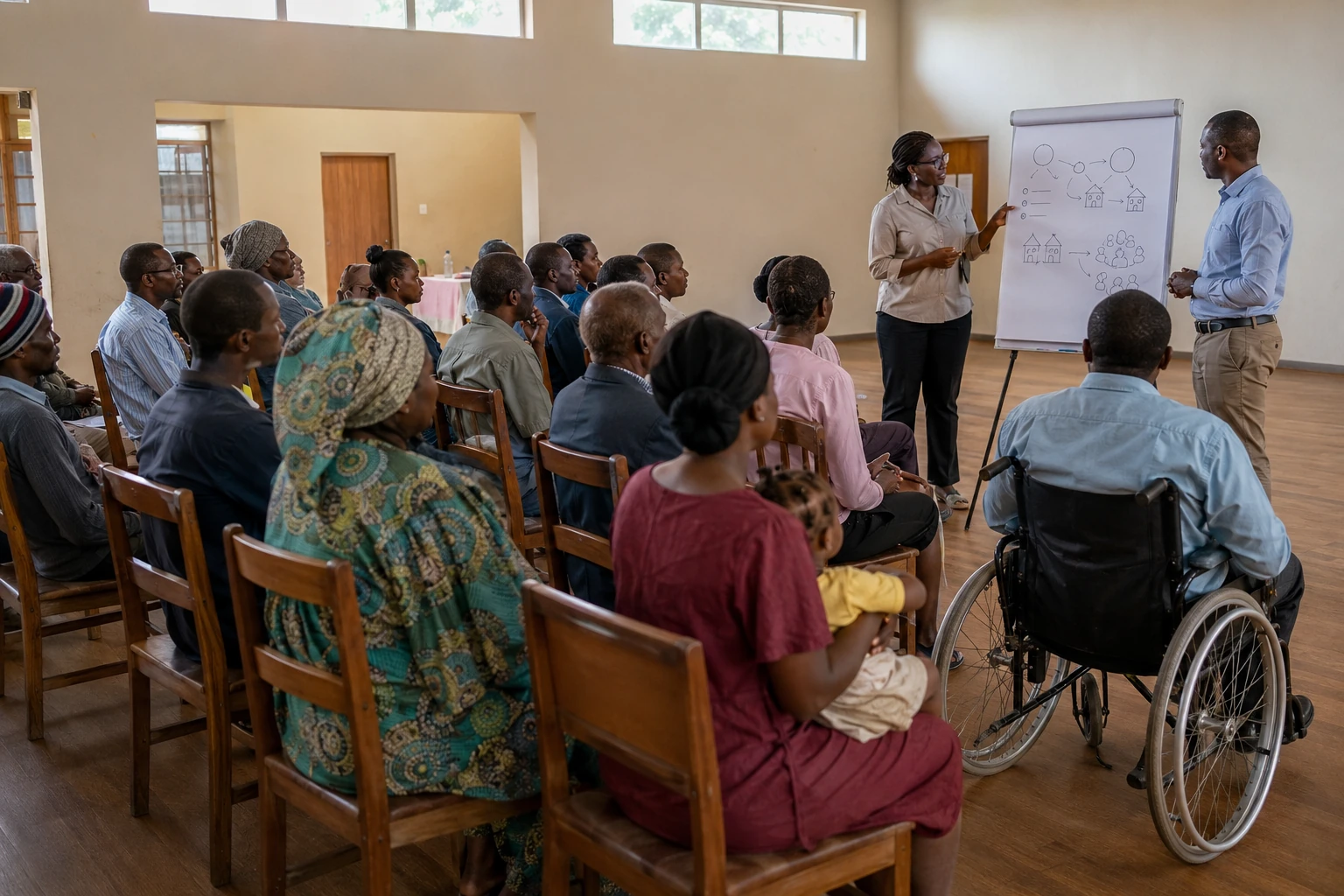
Urban governance beyond dashboards
Why data, participation and accountability — not vendor-built command centres — are the real governance product African cities need.
-
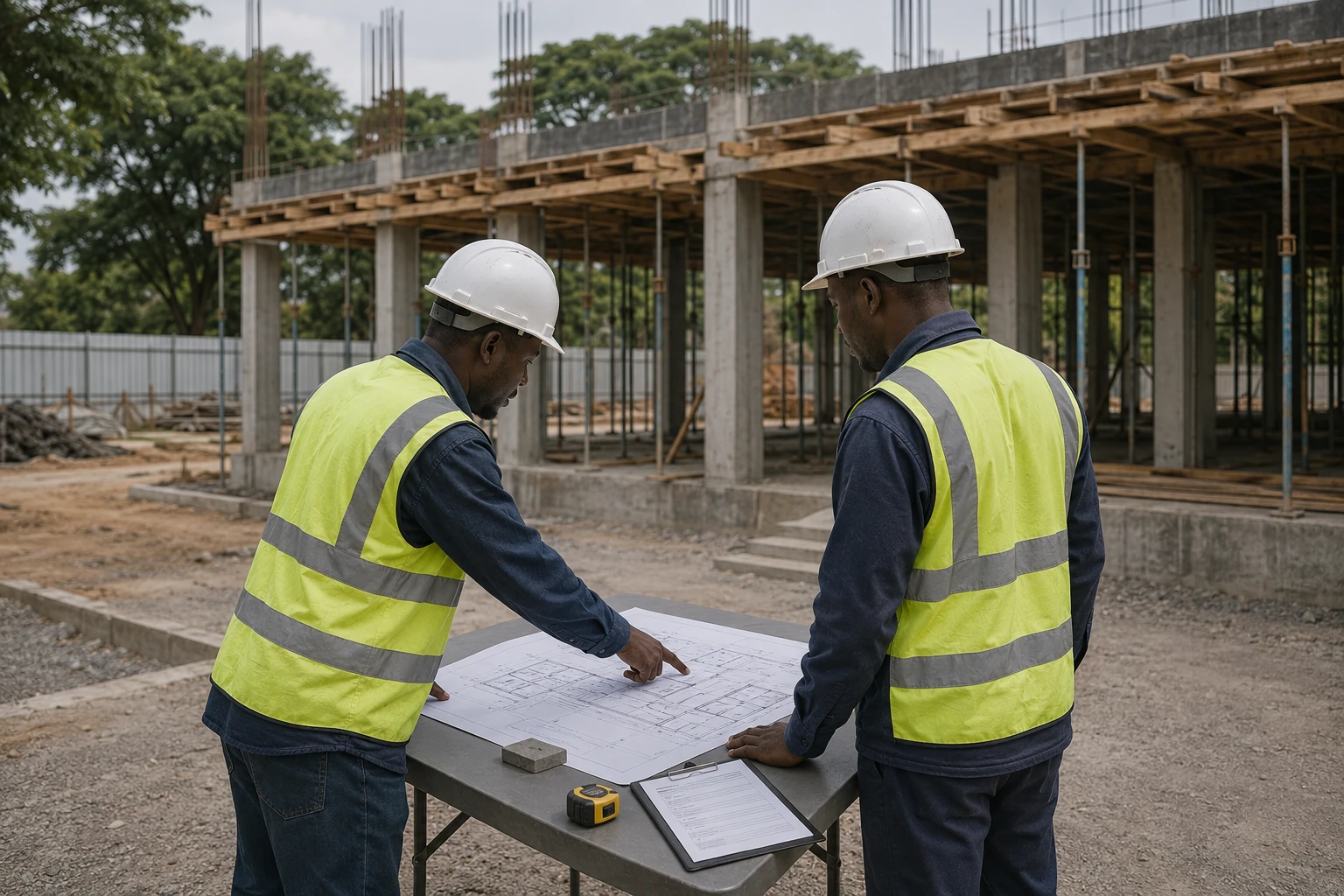
Resilient buildings and the African codes problem
Why building codes — not new technology — are the binding constraint on safe, accessible and climate-ready African urban infrastructure.
-
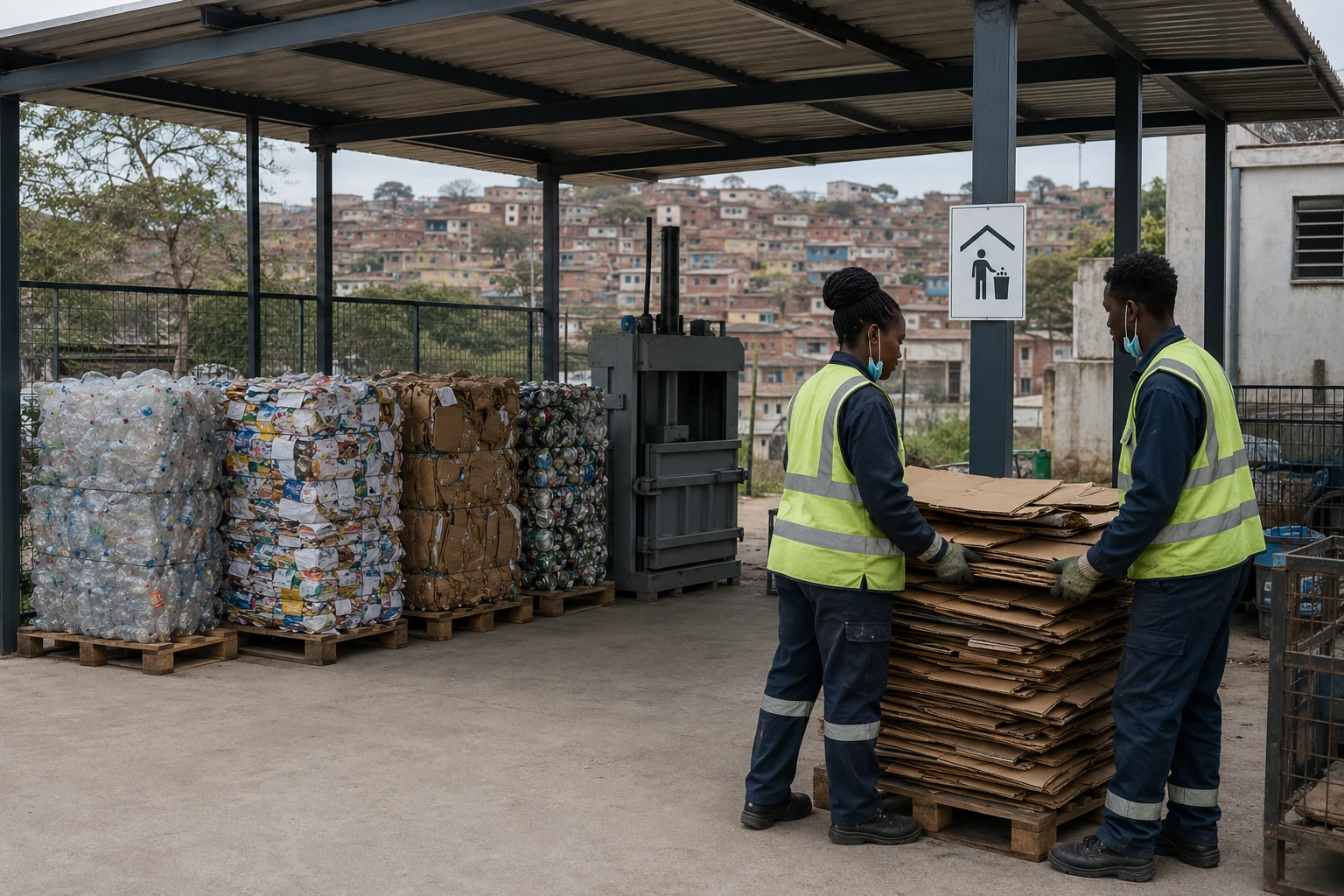
Waste, circularity and SDG 11.6.1
How collection rates, uncontrolled disposal and informal-sector integration set the realistic ceiling on circular flows in African cities.
-

Connectivity is an affordability problem, not just a coverage problem
Why coverage maps overstate connectivity progress in African cities — and what the affordability and skills gaps imply for digital public services.
-
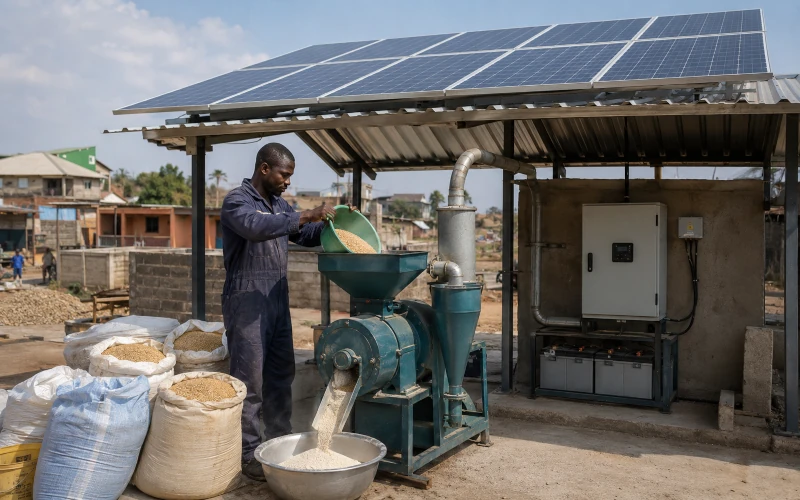
Electrification beyond the grid
Why mini-grids, stand-alone systems and clean cooking belong in the same resilience plan as grid reinforcement.
-
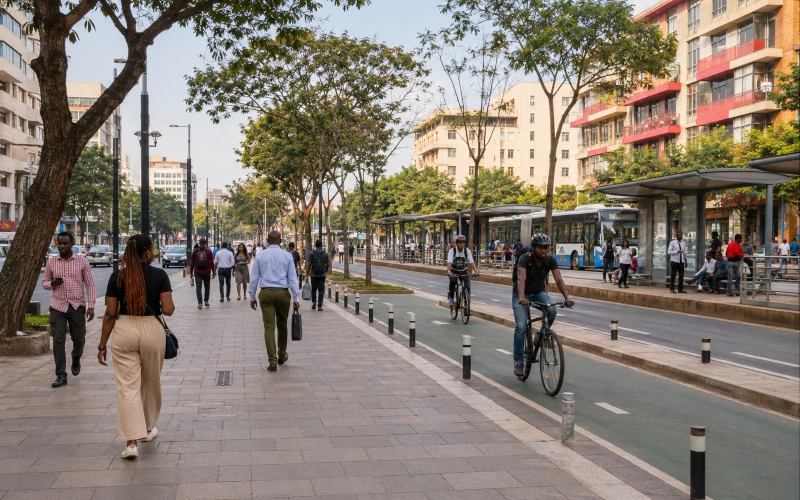
Mobility is an access problem, not a roads problem
Why African urban transport plans should optimise for who can reach what — not for kilometres of new lanes.
Want to discuss one of these in your city?
Which themes fit best is highly city-specific. Tell us a little about the city, the partners involved, and what kind of decision you're trying to make. We'll come back with the right entry point.